


- Home/
- Buy Prednisolone at Low Price in the United States Today
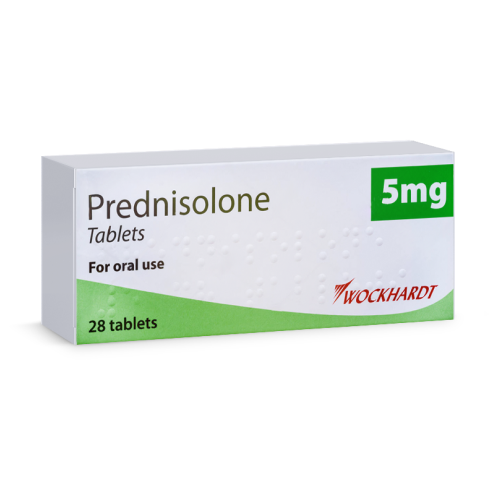
Prednisolone in the United States: The Comprehensive Medical Guide for 2026
Prednisolone Quick Facts (Summary Table)
| Parameter | Details (2026 / USA) |
|---|---|
| Active Ingredient | Prednisolone |
| Therapeutic Category | Glucocorticoid (Corticosteroid) |
| Main Indication | Inflammatory disorders (e.g., asthma, rheumatoid arthritis, allergic reactions) |
| Prescription Status | Prescription required nationwide |
| Onset of Action | 1–2 hours (oral); faster if intravenous |
| Peak Effect | 2–4 hours (oral) |
| Absolute Contraindication | Active, untreated systemic infections |
| Common Side Effects | Increased blood sugar, mood changes, insomnia, osteoporosis (with long-term use) |
| Legal Buying Channels | Community pharmacy or licensed online pharmacy with valid prescription |
Bottom line: Prednisolone is only legally available in the United States with a prescription and is indicated for a range of inflammatory and autoimmune conditions.
Is a Prescription Required for Prednisolone in the United States?
Yes, a prescription is required for Prednisolone in all 50 states. The U.S. Food and Drug Administration (FDA) classifies Prednisolone as a prescription-only medication. This regulation exists both to ensure correct diagnosis and to minimize risks associated with misuse, overuse, and potential side effects. Dispensing without a prescription is illegal and may expose you to significant health and legal risks.
How Does Prednisolone Work? (Pharmacology Explained)
- Receptor Target:
- Prednisolone is a synthetic glucocorticoid that binds to the cytoplasmic glucocorticoid receptor. This complex then translocates to the cell nucleus, influencing the transcription of anti-inflammatory proteins and suppressing the expression of pro-inflammatory genes.
- Biochemical Effects:
- Prednisolone inhibits phospholipase A2 and reduces the synthesis of prostaglandins and leukotrienes, key mediators of inflammation.
- Immune Modulation:
- Reduces migration of leukocytes (white blood cells), blunts immune response, and decreases capillary permeability at sites of inflammation.
Metaphor for Patients: Imagine Prednisolone as a master “dimmer switch” for your body’s inflammatory system, turning down the volume on overactive immune processes to prevent damage from runaway inflammation.
Prednisolone works independently of external triggers but is only effective when inflammation or immune response is present. In people without inflammation, its effects may result mainly in side effects without benefit.
2024 clinical guidance continues to support Prednisolone as a first-line agent for acute inflammatory flares, but not as a maintenance therapy without clear indication due to side effect risks (see References).
How Should Prednisolone Be Taken? Dosage & Administration
- Typical Starting Dose: 5–60 mg daily, customized by the prescribing doctor based on disease severity and patient age. Acute asthma: often 40–60 mg daily for adults. Children: lower, weight-based dosing (e.g., 1–2 mg/kg/day).
- Route: Oral tablets, oral solution, or IV/IM injection (by medical professionals only).
- Administration: Usually taken once daily in the morning to mimic the body’s natural cortisol rhythm and minimize insomnia.
- Tablet Splitting: Most generic tablets can be split; coated or extended-release formulations should not be split unless labeled as such. Always follow your pharmacist’s instructions.
- Maximum Dose: There’s no single “maximum”—depends on indication, but exceeding 60–80 mg/day for adults is rarely justified outside hospital supervision.
- Tapering: Never stop Prednisolone abruptly after more than 2–3 weeks of use—stopping suddenly can trigger adrenal crisis. Taper under close medical supervision.
- Missed Dose: Take as soon as remembered, but do not double up doses. Contact your provider if unsure.
Peak plasma concentrations are typically reached within 1–2 hours after oral ingestion. Effects start to wane after 6–12 hours, depending on metabolic rate and dosing schedule.
Myth vs Reality:
Myth: Prednisolone works instantly and can be used as-needed for symptom flares.
Reality: While some improvement occurs within hours, full anti-inflammatory effects may take several days, especially in chronic conditions.
Prednisolone, Food, Alcohol & Lifestyle: What You Must Know
- With Food:
- Take with food or milk to reduce stomach upset or gastritis risk. Fatty meals don’t significantly delay absorption, but can help minimize GI side effects.
- Alcohol:
- Limit or avoid alcohol while on Prednisolone. Combining both increases GI bleeding risk and worsens mood swings. For people with a history of ulcers or liver disease: strict avoidance is advised.
- Grapefruit Juice:
- Unlike some medications, grapefruit juice does not significantly affect Prednisolone metabolism, but always check for other medications.
- Physical Activity:
- Engage in regular weight-bearing exercise to help counteract osteoporosis risk from long-term steroid use.
- Vaccinations:
- Some live vaccines should be avoided during high-dose therapy; discuss with your doctor before receiving vaccines.
Bottom line: Take Prednisolone with food, avoid binge drinking, and talk to your provider about vaccines or lifestyle changes.
Who Should Not Take Prednisolone? Absolute and Relative Contraindications
| Type | Condition | Why? |
|---|---|---|
| Absolute | Active, untreated systemic infection (bacterial, viral, fungal) | Suppresses immune system, may worsen infection |
| Absolute | Known hypersensitivity/allergy to Prednisolone or ingredients | Risk of severe allergic reaction (anaphylaxis) |
| Relative | Uncontrolled diabetes mellitus | May cause dangerous blood sugar spikes |
| Relative | Osteoporosis or history of fractures | Increases bone loss risk |
| Relative | Peptic ulcer disease or GI bleeding history | May worsen GI bleeding risk |
| Relative | Severe hypertension, psychiatric illness, glaucoma | Risk of symptom exacerbation |
| Relative | Recent heart attack (myocardial infarction) | Possible impaired healing and arrhythmia risk |
Always discuss your full medical history with your doctor before starting Prednisolone. Some relative contraindications can be managed with close monitoring.
What Side Effects Should I Watch For? Frequency, Severity & What To Do
- Very Common (>1 in 10):
- Insomnia
- Increased appetite/weight gain
- Mood changes (anxiety, irritability)
- Elevated blood sugar (hyperglycemia)
- Common (1 in 100–10):
- Fluid retention, swelling
- High blood pressure
- Skin thinning, easy bruising
- Delayed wound healing
- Rare (<1 in 1000):
- Severe psychiatric symptoms (mania, psychosis)
- Peptic ulcers, GI bleeding
- Glaucoma, cataracts
- Adrenal suppression (especially if abruptly stopped)
- Serious infections
What should I do if I experience side effects?
For mild symptoms (mood changes, insomnia): report at next scheduled visit. For severe or sudden reactions (breathing difficulty, vision changes, signs of infection): seek immediate medical attention or call 911.
If Prednisolone is used long-term, your healthcare provider will monitor your bone health, glucose levels, and blood pressure regularly.
Prednisolone vs Alternatives: How Does It Compare?
| Drug | Onset | Duration | Key Side Effects | Approx. Price (2026) |
|---|---|---|---|---|
| Prednisolone | 1–2 hr | 12–36 hr | Mood, glucose, bone loss (long-term) | $0.30–$1.50 per tablet (generic) |
| Prednisone | 1–2 hr | 12–36 hr | Similar to Prednisolone; must be converted in liver | $0.25–$1.40 per tablet (generic) |
| Methylprednisolone | 1–2 hr | 18–40 hr | Slightly less mineralocorticoid effect | $0.50–$2.00 per tablet (generic) |
| Hydrocortisone | 1 hr | 8–12 hr | More salt/water retention | $0.70–$1.80 per tablet (generic) |
| Non-steroidal Anti-inflammatories (NSAIDs) | 30–60 min | 4–12 hr | GI bleeding, kidney risk, no immune suppression | $0.15–$1.00 per tablet |
In short: Prednisolone is preferred when strong and rapid anti-inflammatory or immunosuppressive effects are needed. NSAIDs are often used for milder cases but lack the immune-modulating effect. Discuss your options with your provider for the best match to your situation and health history.
Key Prednisolone Parameters (Mobile-Friendly Table)
| Bioavailability (oral) | 70–90% |
| Protein Binding | ~70–90% |
| Metabolism | Liver (CYP3A4 pathway) |
| Elimination Half-Life | 2–4 hr (biological effect lasts much longer) |
| Excretion | Kidneys (primarily), urine |
| Pregnancy Category (FDA) | C (risk cannot be ruled out; use only if benefit outweighs risk) |
Prednisolone’s rapid metabolism means it’s not usually detected in standard urine drug screens, but chronic use can suppress natural cortisol production.
How to Obtain Prednisolone Legally in the United States: Step-by-Step
- Consult a Healthcare Provider: Book an appointment with a board-certified physician, in person or via a telemedicine platform licensed in your state (e.g., Teladoc, Amwell, or your local clinic’s virtual care option).
- Undergo Evaluation: Your doctor will review your symptoms, medical history, and may order necessary tests. Inflammation may require imaging, bloodwork, or specialist referral.
- Receive a Prescription: If Prednisolone is appropriate, your provider issues a prescription, either electronically (e-prescribe) or on paper. In most states, e-prescriptions are transmitted directly to the pharmacy of your choice.
- Fill at a Licensed Pharmacy: Submit your prescription to a local pharmacy (e.g., CVS, Walgreens, Walmart) or an accredited online pharmacy with a physical location in the United States. Look for the VIPPS seal or state board accreditation (see NABP Digital Pharmacy Accreditation).
- Pick Up or Arrange Delivery: Pharmacies may offer home delivery of prescription medications. Insurance coverage varies—check with your insurer for copays or prior authorization requirements.
Note: Pharmacies in the United States are legally required to verify prescriptions. If a website offers Prednisolone “without a prescription” or ships from outside the U.S., it is likely operating illegally.
Legal and Safety Risks of Buying Prednisolone Online Without a Prescription
- Purchasing Prednisolone without a U.S. prescription is illegal and may result in medication confiscation, fines, or legal prosecution.
- Unauthorized online sellers often provide counterfeit, expired, or substandard products, posing severe health risks (contamination, incorrect dose).
- Only buy from verified U.S. pharmacies with state board registration or legitimate online accreditation (FDA guidance on buying medicine online).
- Prescription requirements are not just bureaucracy—they protect patients from potentially deadly errors.
- Insurance will not reimburse purchases from non-licensed sources.
Identifying Counterfeit Prednisolone: Packaging, Generics, and Quality Control
- Original vs Generic: Generics (e.g., by Teva, Sandoz, Mylan) are FDA-approved and contain the same active ingredient as brand-name products. They may differ in color, shape, or inactive ingredients (excipients) but have proven equivalent effectiveness.
- Packaging: Authentic Prednisolone and generics will have:
- Manufacturer’s logo and address (U.S.-based)
- Clear lot number and expiration date
- Sealed blisters or bottles with tamper-evident features
- FDA “NDC” (National Drug Code) number on box and bottle
- Some manufacturers include QR codes or holographic seals; you can scan these with your smartphone for verification.
- Counterfeit Warning Signs:
- Unusually low price
- Poor print quality, misspelled words, generic “steroid” labeling
- Lack of NDC code or U.S. manufacturer info
- Product shipped from outside the United States
- Excipients & Allergies: Generic tablets may contain dyes or fillers not present in original brands. If you have known allergies, check inactive ingredients with your pharmacist.
Quality Assurance: If in doubt, consult your pharmacist or use the FDA’s NDC Directory to verify your product.
Prednisolone Compatibility Checklist: Common Medications & Products
| Product/Drug | Can be Combined? | Consequences/Precautions |
|---|---|---|
| Aspirin/NSAIDs | With caution | Increased risk of GI bleeding |
| Live Vaccines | NO | Impaired vaccine response; risk of infection |
| Insulin/Diabetes Drugs | Consult provider | May require dose adjustment |
| Warfarin | With monitoring | May increase or decrease INR—monitor closely |
| Alcohol | Limit/avoid | Increased stomach and mood risks |
| Calcium/Vitamin D | Yes | Helps protect bone health |
| Antacids | Yes (separate dosing by 2 hours) | May reduce GI upset, but can interfere with absorption if taken together |
Always inform your doctor and pharmacist of all medications, supplements, and over-the-counter products you use.
Prednisolone in Special Patient Groups: Children, Elderly, Pregnancy & Comorbidities
- Children: Dose strictly tailored by weight; long-term use can impair growth, so used cautiously and with specialist oversight.
- Elderly: Higher risk of osteoporosis, delirium, diabetes, and infections. Doses often start lower, and bone protection is a priority.
- Pregnancy: Prednisolone crosses placenta to some extent; FDA class C. Only used when benefits clearly outweigh risks. Discuss with your OB-GYN.
- Breastfeeding: Prednisolone appears in breastmilk in low amounts. Short courses are generally considered acceptable; large, chronic doses warrant more caution and medical advice.
- Chronic Liver/Kidney Disease: Dose adjustments may be needed; metabolism occurs in liver and excretion in kidneys.
- Driving/Heavy Machinery: Prednisolone does not usually impair driving, but mood, vision, or sleep changes may occur. Do not drive if you feel unwell.
- Fertility & Family Planning: No evidence for direct effect on fertility, but discuss plans with your provider if prolonged use is anticipated.
No clinical studies have shown significant teratogenic effects in humans, but animal studies have indicated potential risks. Always individualize treatment in pregnancy.
What To Do In Case of Overdose or Adverse Reaction
- Stop taking Prednisolone immediately.
- Call your local emergency service (911 in the United States).
- Inform the medical professional about the exact dose and time of ingestion.
- Bring the medication bottle or packaging to the emergency room.
- Do not attempt to induce vomiting unless instructed by poison control or medical professionals.
Symptoms of overdose: Sudden confusion, severe mood changes, extremely high blood sugar, rapid weight gain, unusual swelling, or infections.
Timely action can be life-saving. If in doubt, seek help—better safe than sorry.
Managing Inflammation: Psychological and Emotional Support
Living with chronic inflammation or autoimmune disorders is tough—physically and mentally. It’s common to feel anxious, frustrated, or isolated. Many patients benefit from support groups, counseling, or simply talking with family members and friends about their experiences.
Remember: You’re not alone. Many Americans share your journey. If difficult emotions persist, consider connecting with a mental health provider—many offer virtual visits nationwide.
Frequently Asked Questions (United States)
- Can I buy Prednisolone in the U.S. without a prescription?
- No. Prednisolone is a prescription-only medication in all U.S. states. Buying it without a prescription is illegal and risky.
- How quickly does Prednisolone start working?
- For most conditions, it starts reducing inflammation within 1–2 hours orally, but full effects may take several days.
- Can I drink alcohol while taking Prednisolone?
- Alcohol should be limited or avoided due to increased risk of stomach and mood-related side effects.
- What are the biggest risks of long-term Prednisolone use?
- Osteoporosis, diabetes, high blood pressure, infections, and adrenal suppression are the main concerns with chronic use.
- Is Prednisolone safe during pregnancy?
- It is only used in pregnancy when benefits outweigh risks. Always consult your OB-GYN or specialist.
- How do I know if my Prednisolone is authentic?
- Check for U.S. manufacturer info, NDC number, intact packaging, and purchase only from licensed pharmacies.
- Can I stop Prednisolone suddenly?
- No. Stopping abruptly can cause adrenal crisis. Always taper under medical supervision if used for more than 2–3 weeks.
- What should I do if Prednisolone doesn’t improve my symptoms?
- Inform your doctor—dose adjustment, alternative therapies, or further evaluation may be needed.
References
- FDA. “Prednisolone Drug Information.” Accessed June 2026. https://www.accessdata.fda.gov/drugsatfda_docs/label/2024/PrednisoloneLabel.pdf
- National Institutes of Health. “Prednisolone: MedlinePlus Drug Information.” Updated 2025. https://medlineplus.gov/druginfo/meds/a682795.html
- American College of Rheumatology. “ACR Glucocorticoid Guideline 2024.” https://www.rheumatology.org/Practice-Quality/Clinical-Support/Clinical-Practice-Guidelines/Glucocorticoid-Guideline
- Mayo Clinic. “Prednisolone (Oral Route) Description and Brand Names.” Accessed June 2026. https://www.mayoclinic.org/drugs-supplements/prednisolone-oral-route/description/drg-20075292
- PubMed. “Prednisolone—Recent Clinical Trials and Reviews.” Accessed June 2026. https://pubmed.ncbi.nlm.nih.gov/?term=prednisolone+clinical+trial+2024
- Centers for Disease Control and Prevention. “Immunosuppression & Vaccines.” Accessed June 2026. https://www.cdc.gov/vaccines/hcp/acip-recs/general-recs/immunocompetence.html
- National Association of Boards of Pharmacy. “Digital Pharmacy Accreditation.” Accessed June 2026. https://nabp.pharmacy/programs/accreditations-inspections/digital-pharmacy/