


- Home/
- Buy Zithromax Without Prescription Online in the United States
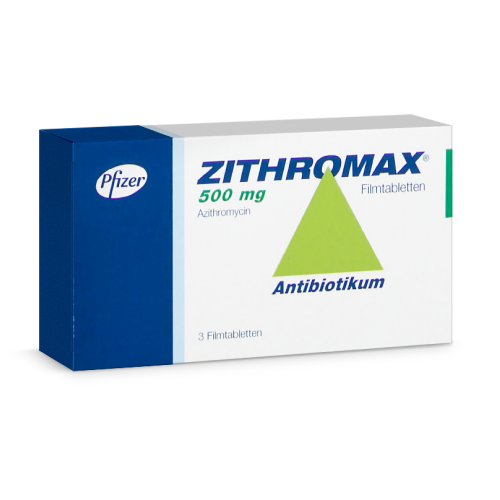
Zithromax is a prescription antibiotic used in the United States to treat a wide range of bacterial infections, including respiratory tract, skin, and some sexually transmitted infections. Its active ingredient, azithromycin, is valued for its convenient dosing and generally mild side effect profile—but not every infection responds to it, and not every patient is a good candidate. The most important thing to know before starting Zithromax: it only works for bacterial infections, not viral illnesses, and misuse risks serious complications for you and for public health.
Why Zithromax is Chosen—And When It Isn’t
Picture a weekday afternoon in the United States. Someone wakes up with burning throat pain, a cough that won’t quit, and that heavy, run-down feeling only an infection can bring. The doctor listens, checks the lungs, maybe swabs the throat or nose. Instead of reaching for amoxicillin, they prescribe a five-day course of Zithromax. Why?
Zithromax (azithromycin) gets chosen when convenience and tolerability matter—a once-daily dose, usually for just three to five days, with fewer stomach problems than some other antibiotics. Some infections, like certain forms of pneumonia, sinusitis, or chlamydia, have strong clinical evidence supporting Zithromax as a first-line or alternative option. But it’s never a default. Overuse risks more than your own side effects: it allows resistant bacteria to thrive, which means tougher infections for everyone.
Clinical guidelines in the United States have sharpened around this point (CDC): Zithromax is not for every cough, every sore throat, or every presumed infection. Doctors consider local resistance patterns, the patient’s medical history, allergies, and even the likelihood that an illness is viral rather than bacterial. That’s why you may have seen a friend walk out of urgent care with Zithromax for bronchitis, while you were told, “it’s viral, antibiotics won’t help.”
The bottom line: Zithromax is a targeted tool—not a universal cure. The right infection, the right patient, the right context: that’s where it shines. Used outside of those boundaries, it can do more harm than good.
Azithromycin in Action: What Happens in Your Body?
Bacterial infections make you feel miserable because bacteria multiply in your tissues, triggering inflammation and symptoms. Azithromycin, the engine inside Zithromax, is designed to halt this process—but the way it does so has consequences for how fast you feel better and what kinds of infections it can treat.
Azithromycin is a macrolide antibiotic. It works differently than penicillins or cephalosporins: instead of punching holes in bacterial walls, it blocks the machinery bacteria use to make proteins—essentially putting them on a forced pause. This “protein synthesis inhibition” starves sensitive bacteria, so your immune system can clear them out.
- Macrolide Antibiotic
- A class of antibiotics (including azithromycin, clarithromycin, erythromycin) that target bacterial protein synthesis rather than cell wall formation.
- Bacteriostatic
- Means it halts bacterial growth, rather than killing bacteria directly. This is why the immune system’s strength and timing of treatment both matter.
What makes azithromycin unique within its class? Its long half-life. After the last dose, effective levels linger in your tissues for days—allowing for those famously short courses. The downside: if you react poorly, you might feel side effects for longer, and drug interactions (see below) can be more persistent.
In short: azithromycin’s power is in its strategic, prolonged effect. But that also means timing, proper indication, and awareness of your own immune health are crucial to real-world outcomes.
Getting the Dose and Duration Right: How Zithromax Is Prescribed
The dose of Zithromax isn’t one-size-fits-all. Your age, the infection being treated, kidney and liver function, and even your body weight can all influence how your doctor writes the prescription.
Most adults in the United States with common respiratory infections receive the classic “Z-Pak”: 500 mg on day one, then 250 mg once daily for four more days. But for other indications—like certain skin infections, sexually transmitted diseases, or in children—the dose and schedule can look very different. Underdosing risks treatment failure and resistance. Overdosing brings unwanted side effects.
Practical takeaway: Don’t try to second-guess your schedule or split tablets. Always verify your own instructions before starting.
| Indication | Adult Dose (Typical) | Pediatric Dose | Duration |
|---|---|---|---|
| Community-acquired pneumonia | 500 mg on Day 1, then 250 mg daily | 10 mg/kg Day 1, then 5 mg/kg | 5 days |
| Acute bacterial sinusitis | 500 mg once daily | 10 mg/kg once daily | 3 days |
| Chlamydia infection | 1,000 mg as a single dose | 20 mg/kg as a single dose | 1 day |
| Strep throat (off-label) | 500 mg on Day 1, then 250 mg daily | Varies by weight | 5 days |
| Skin/soft tissue infection | 500 mg on Day 1, then 250 mg daily | Varies by weight | 5 days |
Zithromax’s dosing flexibility is one of its advantages, but the risk of error is real—especially for children, where weight-based calculations can shift the dose by a factor of two or more. For adults, the five-day “Z-Pak” is common, but single-dose therapy for chlamydia is unique to azithromycin and not to be used for other infections.
- Take Zithromax exactly as prescribed. Skipping doses or stopping early increases the risk of the infection coming back—and of antibiotic resistance.
- If you miss a dose, take it as soon as you remember unless it’s nearly time for the next one. Never “double up” doses.
- Swallow tablets whole with water. Zithromax can be taken with or without food, but food may help with stomach upset.
If your symptoms aren’t improving by the end of your course, or if you feel dramatically worse at any point, contact your doctor. Zithromax is effective for many infections, but not all—and sometimes the diagnosis changes as more information comes in.
Which Side Effects Matter Most with Zithromax—And When to Act
Most people who take Zithromax in the United States finish their short course without any problems. But every medication has risks, and some side effects demand immediate attention.
The most common: mild stomach upset, nausea, diarrhea, and headache. These are usually temporary and resolve soon after the last dose. But Zithromax is not risk-free. A small number of patients experience serious allergic reactions, severe diarrhea (which can be a sign of a dangerous infection called C. difficile), or heart rhythm problems, especially if you have specific risk factors or are taking certain other medications.
Some side effects can develop even after your course is finished, due to azithromycin’s long half-life. It’s not uncommon to see mild diarrhea persist for a few days. But if you notice blood in your stool, severe abdominal pain, fainting, or rash with facial swelling, seek help quickly.
| Side Effect | Frequency | When to Contact a Doctor |
|---|---|---|
| Nausea/Diarrhea | Common (~5-10%) | If severe, persistent, or contains blood |
| Headache | Occasional | If associated with stiff neck or confusion |
| Rash/Hives | Rare | If spreading, blistering, or with facial swelling |
| Heart Palpitations | Rare | If fainting, chest pain, or irregular heartbeat occur |
| C. difficile infection (severe diarrhea) | Very rare (<1%) | If diarrhea is watery, severe, or with fever |
| Liver enzyme elevation | Very rare | If jaundice (yellow skin/eyes), dark urine, or abdominal pain |
What patients often get wrong: assuming that “short course” means low risk, or that side effects will always start immediately. In reality, reactions may appear days later. Always keep your doctor’s office contact information handy during and after your course of Zithromax.
Zithromax vs. Alternatives: The Comparison Table That Actually Matters
Azithromycin is not the only antibiotic for respiratory infections, sinusitis, or STIs in the United States. When your doctor considers Zithromax, they’re choosing among options that differ in more than just name or color.
| Attribute | Zithromax (Azithromycin) | Amoxicillin | Doxycycline |
|---|---|---|---|
| Class | Macrolide | Penicillin | Tetracycline |
| Common Indications | Pneumonia, bronchitis, sinusitis, chlamydia, skin infections | Strep throat, ear infections, sinusitis, pneumonia | Pneumonia, chlamydia, acne, tick-borne infections |
| Dosing Schedule | 1x/day, 3-5 days | 2-3x/day, 7-10 days | 1-2x/day, 7-14 days |
| Effectiveness | High for most indicated infections; some resistance emerging | High; resistance in some bacteria | High for many; not first-line for children or pregnancy |
| Common Side Effects | GI upset, rare cardiac effects | GI upset, allergy | GI upset, sun sensitivity |
| Prescription Status (U.S.) | Rx only | Rx only | Rx only |
| Typical Cost (generic) | Moderate ($10–$30 for course) | Low ($4–$15 for course) | Low–moderate ($8–$30 for course) |
| Special Considerations | QT prolongation risk; convenient dosing | Allergy risk; less effective for atypical bacteria | Avoid in pregnancy/young children; sun precautions |
Putting these options side by side clarifies why Zithromax is often picked when convenience or penicillin allergy matter—but also why amoxicillin remains the first-line choice for many routine infections. Doxycycline covers some of the same ground, but its sun sensitivity drawbacks and age restrictions limit its use. Zithromax’s risk of rare heart side effects has to be balanced against its ease of use.
doctor says: “In the clinic, I often reach for Zithromax when a patient needs a short, easy-to-take course and has no heart issues or serious kidney or liver problems. But if there’s a strong local resistance pattern, or the infection is likely viral, I’ll steer away. No single antibiotic is ‘the best’ for everyone—context is everything.”
Prescription, Price, and Pharmacy: Getting Zithromax in the United States
Zithromax is a prescription-only medication in the United States, regulated by the FDA. You can’t buy it over the counter, and legitimate online pharmacies will always require a valid prescription from a licensed healthcare provider.
- Traditional Pharmacies: Any major chain or independent pharmacy will stock generic azithromycin, and most also carry the original brand Zithromax.
- Online Pharmacies: Look for verified U.S.-based services accredited by NABP (the National Association of Boards of Pharmacy).
- Insurance Coverage: Most plans cover generic azithromycin with a low co-pay, but coverage for the branded Zithromax may be more restricted. Check your plan’s formulary or ask your pharmacist to help find the most affordable option.
- Discount Programs: Discount cards and pharmacy savings programs can drop the out-of-pocket price for a typical course to under $20 in many cities.
- FDA
- The Food and Drug Administration (FDA) is the U.S. government agency overseeing drug approval, safety, and labeling.
- Generic Drug
- A medication with the same active ingredient and clinical effect as a brand-name drug, but usually sold under its chemical name (azithromycin for Zithromax).
How you get your prescription matters for quality and safety. In-person visits allow for a physical exam, which is crucial for some infections. Telemedicine is increasingly accepted for straightforward cases, like uncomplicated chlamydia, where guidelines support remote diagnosis and treatment.
If you’re struggling with cost, ask your provider or pharmacist about generic options, manufacturer coupons, or assistance programs. No one should skip needed antibiotics because of price in the U.S., but the system can be confusing—don’t hesitate to ask for help navigating it.
When Not to Take Zithromax—Absolute and Relative Contraindications
- You have a known allergy to azithromycin, erythromycin, or other macrolide antibiotics. Allergic reactions can be life-threatening and may recur with any drug in this class.
- You are taking certain medications that interact dangerously with Zithromax (such as some anti-arrhythmic drugs known to prolong the QT interval) and your doctor hasn’t cleared it.
- You’ve had a previous severe liver reaction to azithromycin or other macrolides.
- You have a personal or family history of “long QT syndrome” or certain heart rhythm disorders. Zithromax can further prolong the QT interval, increasing the risk of arrhythmia.
- You have severe kidney or liver disease. Azithromycin is cleared by both organs, and impaired function can raise drug levels to unsafe amounts.
- You are taking other medications known to interact (for example, antiarrhythmics, some antipsychotics, or certain antidepressants). Always review your full medication list with your doctor or pharmacist.
- You are pregnant or breastfeeding. Azithromycin is generally considered safe, but always review risks and benefits with your provider based on the exact indication and other available options.
- You have myasthenia gravis. There have been rare reports of worsening symptoms with azithromycin.
Each of these factors might not be obvious from your own medical history, so always mention any unusual reactions to antibiotics, heart rhythm issues, or changes in organ function to your provider before starting Zithromax.
FAQ: Real Patient Questions about Zithromax, Answered
- Is Zithromax really safe for my heart?
- The majority of healthy adults tolerate Zithromax without heart issues. However, it can occasionally cause changes in heart rhythm (prolonged QT interval), especially in older adults or those with pre-existing heart conditions. If you have a heart rhythm disorder, discuss it with your doctor before starting Zithromax.
- Can I take Zithromax if I’m allergic to penicillin?
- Yes, Zithromax is from a completely different antibiotic class (macrolides) and is generally safe for people with penicillin allergies. Still, report any allergies to your doctor before starting any new medication.
- What if I miss a dose of Zithromax?
- Take the missed dose as soon as you remember, unless it’s almost time for your next dose. Never double up. If you’re unsure, call your pharmacy or provider for advice.
- Why wouldn’t my doctor give me Zithromax for a cold or flu?
- Zithromax only works on bacterial infections, not viruses. Using it for viral illnesses won’t help and can cause side effects and contribute to antibiotic resistance—making future infections harder to treat for everyone.
- Does food affect how Zithromax works?
- You can take Zithromax with or without food. Some people find that taking it with food helps prevent stomach upset, but it doesn’t change how well the medication works.
- How long does it take for Zithromax to start working?
- Most people begin to feel some relief within 24–48 hours if the infection is sensitive to azithromycin. However, always finish the full prescribed course even if you feel better early.
- Can I drink alcohol while taking Zithromax?
- Alcohol does not directly interact with Zithromax. However, drinking heavily may worsen stomach upset or slow recovery from infection. Light to moderate alcohol use is not generally restricted, but listen to your body and avoid alcohol if you feel unwell.
- What should I do if I have diarrhea after finishing Zithromax?
- Mild diarrhea is common and usually resolves within a few days. If diarrhea is severe, watery, contains blood, or is accompanied by fever, contact your doctor—this can be a sign of a rare but dangerous complication.
- Is it true that resistance to Zithromax is increasing?
- Yes, some bacteria have become resistant to azithromycin, especially in certain regions or for particular infections (like gonorrhea). This is why doctors are now more selective in prescribing it, and why it may not be the right option for every infection.
References
- U.S. Food and Drug Administration (FDA)
- Centers for Disease Control and Prevention: Antibiotic Use
- Azithromycin (Zithromax) Prescribing Information, Pfizer
- Mayo Clinic: Azithromycin (Oral Route)
- ClinicalTrials.gov
- PubMed (U.S. National Library of Medicine)
- National Association of Boards of Pharmacy