


- Home/
- Buy Nolvadex in Online Pharmacy for United States Customers
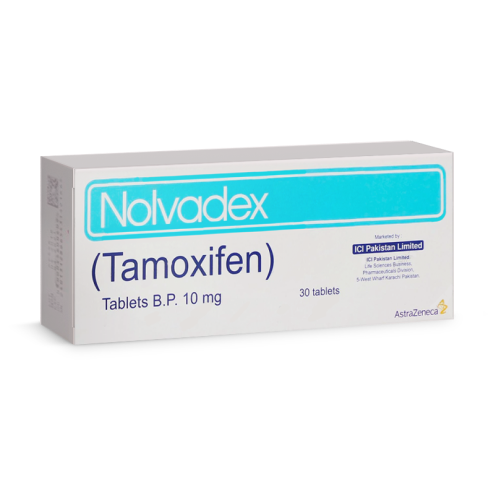
| Brand Name | Nolvadex |
|---|---|
| Main Substance | Tamoxifen |
| Purpose of Treatment | Hormone receptor-positive Breast Cancer |
| Strengths Offered | 10 mg and 20 mg oral tablets |
| How Soon It Works | Therapeutic effect builds over 4–8 weeks |
| Duration per Dose | Active for 24 hours; requires daily administration |
| Food or Meal Restrictions | No specific dietary restrictions |
| Prescription Status | Prescription-only in United States (FDA-regulated) |
| Estimated Price Range | $25–$100 per month, depending on brand and pharmacy |
Nolvadex for Breast Cancer: Guidance and Realities in the United States
Nolvadex, containing the active substance tamoxifen, is a medication used primarily for treating hormone-sensitive breast cancer. It is available by prescription in the United States and remains one of the core therapies for certain types of breast cancer. For U.S. patients, understanding Nolvadex’s role and safe access is essential to making informed decisions about treatment and purchase.
Breast Cancer in the United States: How Common, How Treatable
Breast cancer is the most frequently diagnosed cancer among women in the United States. According to the American Cancer Society, in 2024, approximately 310,720 new cases of invasive breast cancer are expected to be diagnosed among women, with more than 3.8 million breast cancer survivors currently living in the country. The majority of newly diagnosed breast cancers are hormone receptor-positive, which means they can be treated effectively with medications like Nolvadex. Early detection and modern therapies have significantly improved survival rates, making breast cancer a highly manageable disease for many. These figures show that if you are facing a diagnosis or recurrence, you are not alone, and effective treatment options exist.
How Nolvadex Acts on Breast Cancer: From Molecule to Outcome
Nolvadex (tamoxifen) exerts its effect by binding to estrogen receptors in breast tissue. In many breast cancers, especially those described as “estrogen receptor-positive” or “ER+,” the cancer cells rely on estrogen to grow and multiply. Tamoxifen acts as a selective estrogen receptor modulator (SERM): it attaches to the same cellular sites as estrogen, blocking the hormone’s ability to stimulate cancer cell growth.
- Cellular Mechanism: By occupying estrogen receptors, tamoxifen prevents the hormone from attaching, ultimately slowing or halting the proliferation of cancer cells.
- Patient Experience: Clinically, this translates into reduced risk of cancer recurrence after initial treatment, and in some cases, tamoxifen is used for prevention in high-risk individuals.
- Timeline: Patients typically do not “feel” an immediate effect; the benefits accrue over weeks to months, reflected primarily in follow-up scans and laboratory results rather than day-to-day sensations.
According to the U.S. Food and Drug Administration, tamoxifen was approved for breast cancer treatment in 1977 and remains a standard of care in both early-stage and metastatic hormone-receptor positive disease. Multiple clinical studies have shown that adjuvant tamoxifen reduces the risk of recurrence by up to 40% in women with ER+ breast cancer (Early Breast Cancer Trialists’ Collaborative Group, 2011).
Is Nolvadex Right for Me? Recognizable Scenarios for Decision-Making
| Situation | Best Course | Why |
|---|---|---|
| You have been diagnosed with ER+ (estrogen receptor-positive) breast cancer and your oncologist recommends hormone therapy | Nolvadex is generally appropriate | It addresses the hormone-driven mechanism behind your cancer’s growth and is supported by robust clinical evidence. |
| You are premenopausal and seeking to reduce the risk of recurrence after surgery and/or chemotherapy | Nolvadex is often preferred over aromatase inhibitors | It is proven safe and effective in women who have not reached menopause. |
| You have a high risk of breast cancer (family history, genetic predisposition) but have not been diagnosed | Nolvadex may be used for primary prevention | Clinical guidelines allow its use to lower risk, but require a detailed discussion with your healthcare provider. |
| Your cancer is estrogen receptor-negative (ER-), or you have a history of blood clots, or severe liver impairment | Nolvadex is NOT recommended | It will not benefit ER- cancers, and certain medical conditions increase the risk of serious side effects. Alternatives should be considered. |
These scenarios are not exhaustive, but if you recognize your situation above, they provide a starting point for discussion with your treatment team. Individual factors such as age, menopausal status, medical history, and other medications must be considered before starting Nolvadex.
Practical Application: What to Expect with Nolvadex Day-to-Day
Tamoxifen is usually taken once daily by mouth, with or without food, at the same time each day. Most commonly, treatment continues for 5 years, although some regimens extend to 10 years depending on your risk profile and physician recommendations. Tablets should be swallowed whole with water; do not split or crush unless specifically advised by your pharmacist.
- If you miss a dose: Take it as soon as you remember, unless it’s almost time for your next dose. Do not double up; resume your regular schedule.
- If you vomit after a dose: Do not take an extra tablet—wait for your next scheduled dose.
- If you experience bothersome side effects: Many effects (such as hot flashes) improve over time. If symptoms are severe or persistent, contact your oncologist to discuss adjustments or supportive care options.
- If you see no immediate change: This is expected; tamoxifen’s benefit is measured in reduced recurrence rates or delayed progression rather than rapid symptom relief.
Your doctor will likely schedule regular follow-up appointments, including blood tests and (for women over 50 or with other risks) gynecological monitoring, as tamoxifen can rarely affect the lining of the uterus. Consistent adherence improves your long-term outcome. If you have questions between visits, maintain communication with your cancer care team.
Contraindications: Who Should Not Take Nolvadex?
Nolvadex is contraindicated in certain medical situations, primarily due to risk of adverse reactions or lack of benefit:
- History of deep vein thrombosis, pulmonary embolism, or other serious blood clots: Tamoxifen increases the risk of clot formation. If you have a previous history, the risk of recurrence may outweigh benefits.
- Active or history of endometrial cancer: Tamoxifen can stimulate the uterine lining, increasing the likelihood of recurrence or new cancers in this tissue.
- Severe liver disease: Since tamoxifen is metabolized in the liver, significant impairment can lead to accumulation and toxicity.
- Known hypersensitivity to tamoxifen or its components: Allergic reactions, although rare, preclude its use.
- Cancer is estrogen receptor-negative (ER-): The medication will provide no therapeutic effect.
Some relative contraindications may require careful risk-benefit analysis rather than absolute avoidance; your oncology team will guide you through these discussions.
Side Effects: What’s Normal, What’s Not, and When to Act
Most people tolerate Nolvadex well, but as with any active medication, side effects can occur. The most common—hot flashes, night sweats, mild nausea, and vaginal discharge—are typically self-limiting and often resolve over time. Less frequently, some individuals experience mood changes, leg cramps, or mild fatigue.
- Common and usually transient: Hot flashes, mild nausea, menstrual irregularities, slight vaginal discharge.
- Occasional and may require monitoring: Leg cramps, mild skin rash, temporary hair thinning.
- Rare but potentially serious (seek immediate attention): Signs of blood clots (sudden leg swelling, chest pain, shortness of breath), abnormal vaginal bleeding, vision changes such as blurring or loss, signs of liver dysfunction (yellowing of skin/eyes, dark urine).
If you experience sudden leg pain, shortness of breath, or coughing blood, call 911 or your local emergency services in the United States immediately. For less urgent but concerning symptoms, reach out to your provider’s office for timely evaluation and adjustment of therapy if needed.
Medication Interactions: What to Avoid with Nolvadex
Nolvadex interacts with several other medications, most notably certain antidepressants (such as paroxetine and fluoxetine) that inhibit the enzyme CYP2D6. This enzyme is required to convert tamoxifen into its active form; using these drugs together can reduce the effectiveness of breast cancer treatment.
- SSRIs (paroxetine, fluoxetine): May lower tamoxifen effectiveness; alternatives (such as venlafaxine) can often be used for hot flashes or depression.
- Anticoagulants (warfarin): May increase risk of bleeding; close monitoring of blood work is necessary if combined.
- Certain herbal supplements: St. John’s Wort and some “natural” estrogen blockers may alter drug metabolism—avoid unless approved by your oncology team.
Always inform your provider of all medications and supplements you take, including non-prescription products. Adjustments or substitutions may be required to optimize therapy and safety. If uncertain, review your medication list at each appointment.
How Does Nolvadex Compare? Alternatives and Honest Limitations
| Medication | Best-Suited Patient Profile | Key Advantages | Key Limitations |
|---|---|---|---|
| Nolvadex (Tamoxifen) | Premenopausal women with ER+ breast cancer; some high-risk individuals for prevention | Long history of use, effective in both early-stage and metastatic settings, suitable before menopause, oral formulation | Risk of blood clots, can cause uterine changes, interactions with some antidepressants |
| Aromatase Inhibitors (anastrozole, letrozole, exemestane) |
Postmenopausal women with ER+ breast cancer | Lower risk of uterine effects, slightly higher efficacy in some postmenopausal groups | Not effective in premenopausal women without ovarian suppression, can cause bone loss or joint pain |
| Raloxifene | Women at high risk for breast cancer prevention, not for active treatment | Lower risk of uterine cancer compared to tamoxifen | Not approved for treating existing breast cancer, only for risk reduction |
| Fulvestrant | Advanced/metastatic ER+ breast cancer, usually after other therapies | No uterine stimulation, used when resistance to tamoxifen develops | Requires intramuscular injection, less data in early-stage disease |
Nolvadex remains the first-line option for premenopausal women, and for many menopausal women unable to tolerate or with contraindications to aromatase inhibitors. However, if you have a history of blood clots or are postmenopausal, alternatives may be more suitable. Your treatment plan is individualized by your oncologist based on age, menopausal status, and side effect profile. No single medication is ideal for every situation—an honest appraisal of options and limitations is the foundation of quality care.
Accessing Nolvadex in the United States: Cost, Prescription, and Delivery
Nolvadex (tamoxifen) requires a valid prescription in the United States. This is enforced by the U.S. Food & Drug Administration (FDA), which regulates both brand and generic versions. Although some online pharmacies advertise sales without a prescription, purchasing without proper medical oversight increases risks of counterfeit products and unsafe use. Most insurance plans cover tamoxifen for eligible indications, and generic versions make it affordable for most patients.
| Cost Item | Amount (USD) | Context/Note |
|---|---|---|
| Initial Oncology Consultation | $100–$400 | One-time, may be covered by insurance; telemedicine options may be less expensive |
| Prescription Fee | $0–$25 | Some clinics include this in the visit cost |
| Tamoxifen Medication (30 tablets, 20 mg) | $25–$100 | Generic prices at major U.S. pharmacies; brand name may cost more |
| Standard Home Delivery | $0–$10 | Many pharmacies offer free or low-cost shipping |
| Total (First Month) | $125–$535 | Depending on insurance, brand vs. generic, and delivery option |
Many patients pay only for the medication itself after insurance, with overall monthly out-of-pocket costs for generics at the lower end of this range. Ask your pharmacy for available generics, and discuss with your oncologist whether assistance programs are available if cost is a concern. Delivery is commonly offered for chronic medications, and local pharmacies may provide same-day pickup or home shipment.
Clarifying Remaining Doubts: Duration, Monitoring, and Adherence
How long will I need to take Nolvadex? Most patients are advised to continue for 5 years; in higher-risk cases, up to 10 years. Your doctor will balance benefits and risks with you at follow-up visits.
What kind of monitoring is required? Routine follow-up includes breast exams, imaging, and blood tests for liver function. Some women, especially those over 50, may need periodic gynecological ultrasound to monitor uterine health.
If I have missed several days, should I stop altogether? Do not discontinue without consulting your oncologist. Re-establish your regular schedule as soon as possible and report any interruptions at your next appointment.
Open, ongoing communication with your oncology team ensures that any concerns—side effects, missed doses, interactions, or life changes—are addressed promptly and safely. While this guide provides comprehensive answers, personalized medical advice remains essential, particularly if your health status or medications change during therapy.
Where this information comes from
- American Cancer Society, 2024
- U.S. Food and Drug Administration, 1977
- World Health Organization
- Early Breast Cancer Trialists’ Collaborative Group, 2011