


- Home/
- Buy Ventolin Inhaler Without Prescription in the United States
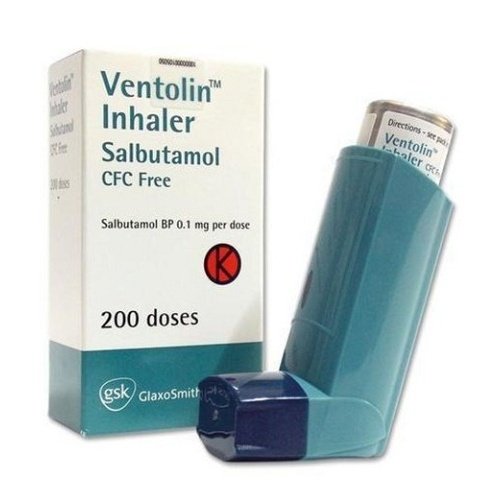
Ventolin Inhaler in the United States: An Expert Patient Guide for Safe and Effective Asthma Relief
Can you obtain Ventolin Inhaler without a prescription in the United States?
No, in the United States, Ventolin Inhaler (salbutamol/albuterol) is a prescription medication. It cannot be legally obtained without a valid prescription from a licensed healthcare provider.
Key Takeaways: What You Need to Know About Ventolin Inhaler
- Ventolin Inhaler is mainly used for rapid relief of asthma symptoms and can also be prescribed for other reversible obstructive airway diseases.
- Onset of action is typically within 5 minutes, with peak effect between 30-60 minutes.
- You must have a valid prescription from a healthcare provider in the United States to obtain Ventolin Inhaler.
- Common side effects include shakiness, rapid heartbeat, and mild throat irritation; serious side effects are rare but require urgent medical attention.
- Ventolin Inhaler treats symptoms but does not address underlying inflammation; it is not a substitute for maintenance asthma therapy when needed.
- If you find yourself needing Ventolin more than twice per week, consult your doctor to reassess your asthma control.
How Does Ventolin Inhaler Work in the Body? A Detailed Look at Its Mechanism of Action
The active ingredient in Ventolin Inhaler is salbutamol (also known as albuterol in the United States), a selective short-acting β2-adrenergic receptor agonist. When inhaled, salbutamol binds to β2-adrenergic receptors primarily located on the smooth muscle cells lining the airways in the lungs. This triggers a cascade involving activation of adenylate cyclase, increasing intracellular cyclic adenosine monophosphate (cAMP). The resulting rise in cAMP levels leads to relaxation of bronchial smooth muscle—effectively widening the airways (bronchodilation) and rapidly relieving symptoms such as wheezing, shortness of breath, and chest tightness.
In simpler terms: Imagine your airways as tunnels that have narrowed due to asthma, making it hard to breathe. Ventolin acts like a fast tunnel-widening crew, quickly opening the path so air can flow more freely again. However, it does not repair the tunnel walls (the underlying inflammation)—it simply helps air move through more easily, for a short time.
Ventolin Inhaler works independently of food or other triggers but is most effective when used at the first sign of bronchospasm.
Myth: Ventolin is a “cure” for asthma.
Reality: Ventolin relieves symptoms quickly but does not treat the underlying inflammation or prevent future attacks.
Expectations and Misconceptions: What Patients Should Know When Starting Ventolin Inhaler
As a pulmonologist, I often see patients expect Ventolin (albuterol) to act as a “rescue” for every breathing issue, even when symptoms are subtle or not related to asthma. Many believe that if the inhaler doesn’t provide instant relief, something is wrong with the medication. In reality, improper technique or incorrect diagnosis is often to blame. Some patients think frequent use is acceptable, but regular reliance on Ventolin signals poor asthma control and a need to review maintenance therapy. Few patients ask how to use a spacer correctly or how soon to seek help if their usual dose doesn’t work. Also, many underestimate the importance of tracking how often they use their inhaler. Understanding these nuances early can prevent complications and optimize therapy.
Ventolin Inhaler Dosage, Peak Effect, and Duration: How to Use It Safely
- Standard adult dose: 1–2 inhalations (90–180 mcg) as needed for acute symptoms.
- Maximum dose: Do not exceed 8 inhalations (720 mcg) in 24 hours for adults, unless specifically instructed by your healthcare provider.
- Pediatric dosing: Children should use the lowest effective dose; specific dosing is determined by age and medical guidance.
- Elderly or patients with mild organ impairment: No specific dose adjustment is typically required, but extra monitoring is advised due to higher sensitivity to side effects.
Onset of action: Relief usually begins within 5 minutes, peaking at 30–60 minutes.
Duration: Effects last 4–6 hours.
Ventolin Inhaler is not a maintenance medication and should not be used more than recommended. Overuse increases the risk of systemic side effects and signals poorly controlled asthma.
How Does Food, Alcohol, or Lifestyle Affect Ventolin Inhaler’s Effectiveness?
- Food: Food does not significantly impact absorption or effectiveness since Ventolin Inhaler is delivered directly to the lungs.
- Alcohol: Moderate alcohol does not appear to have a direct interaction with Ventolin, but excessive consumption can worsen asthma control and increase risk of side effects such as palpitations.
- Grapefruit juice: There is no clinically significant interaction with grapefruit juice.
- Lifestyle factors: Smoking, vaping, or exposure to respiratory irritants may reduce Ventolin’s effectiveness and worsen asthma symptoms.
| Product/Drug | Can it be combined? | Consequences |
|---|---|---|
| Aspirin | Yes | No significant interaction |
| Beta-blockers (e.g., metoprolol) | No | Can reduce Ventolin effectiveness, may trigger bronchospasm |
| MAO inhibitors | Caution | May increase side effect risk |
| Alcohol (moderate) | Permitted | May worsen asthma if excessive |
When Should Ventolin Inhaler Absolutely Not Be Used? Contraindications and Cautions
- Absolute Contraindications
-
- Severe hypersensitivity or allergy to salbutamol, albuterol, or any excipients in the inhaler.
- Relative Contraindications (Use with Caution)
-
- Cardiac arrhythmias (e.g., rapid or irregular heartbeat)—risk of exacerbation.
- Uncontrolled hypertension—may increase blood pressure.
- Recent myocardial infarction (heart attack) or unstable angina—may worsen cardiac workload.
- Hyperthyroidism—may increase risk of side effects.
- Severe diabetes—may cause transient increases in blood glucose.
- Use of non-selective beta-blockers—can negate the effect and provoke bronchospasm.
- After a heart attack or arrhythmia:
- Ventolin Inhaler may be considered only under direct medical supervision and when benefit outweighs risk.
What Side Effects Are Most Common With Ventolin Inhaler?
- Very common (>1 in 10): Tremor (shakiness), headache
- Common (1 to 10 in 100): Rapid heart rate (tachycardia), palpitations, muscle cramps, throat irritation, cough.
- Uncommon (1 to 10 in 1,000): Nausea, mouth/throat dryness, muscle pain, dizziness.
- Rare (<1 in 1,000): Severe allergic reaction (anaphylaxis), paradoxical bronchospasm (worsening of breathing after use), abnormal heart rhythm.
- Very rare (<1 in 10,000): Low potassium (hypokalemia), chest pain, hypotension.
If you experience chest pain, severe shortness of breath unrelieved by Ventolin, swelling of the lips or face, or symptoms of low potassium (muscle weakness, palpitations), seek emergency medical attention immediately.
Why do these side effects occur? Tremor and tachycardia result from stimulation of β2-adrenergic receptors not only in the lungs but also in peripheral tissues such as skeletal muscle and the heart.
Common Mistakes Patients Make When Using Ventolin Inhaler—and How to Avoid Them
- Incorrect inhaler technique: Failure to coordinate breathing and actuation leads to poor delivery of medication. Ask your healthcare provider to demonstrate correct use or use a spacer if recommended.
- Overuse or exceeding recommended doses: Using Ventolin too frequently without reassessment can signal poor asthma control and increases risk of serious side effects. Track your use and inform your provider if you need it more than twice per week.
- Stopping maintenance inhalers when symptoms improve: Some patients rely solely on Ventolin and discontinue their controller medications, increasing risk of severe exacerbations. Ventolin is not a substitute for maintenance therapy when prescribed.
- Failure to rinse mouth after use: Although less critical than with corticosteroid inhalers, rinsing can minimize throat irritation and cough.
- Ignoring inhaler expiration or faulty devices: Using an expired or malfunctioning inhaler may result in inadequate dosing during an asthma attack. Check device status regularly and replace as needed.
- Not carrying the inhaler at all times: Acute symptoms can occur unpredictably. Always keep your rescue inhaler accessible.
How Does Ventolin Inhaler Compare With Other Fast-Acting Asthma Relievers?
| Medication | Active Ingredient | Onset (min) | Duration (hrs) | Typical Side Effects | Price Range (USD, 2026) |
|---|---|---|---|---|---|
| Ventolin HFA Inhaler | Albuterol | 3–5 | 4–6 | Tremor, tachycardia | $30–$70 per inhaler |
| ProAir RespiClick/HFA | Albuterol | 5 | 4–6 | Shakiness, headache | $25–$60 per inhaler |
| Xopenex HFA | Levalbuterol | 5–10 | 4–6 | Nervousness, cough | $50–$90 per inhaler |
Bottom line: Ventolin and its competitors offer similar onset and duration. Xopenex (levalbuterol) may be preferred in patients with sensitive side effects, but at higher cost. Generics can lower the price significantly.
Ventolin Inhaler: Technical Details and Storage Guide
| Parameter | Value |
|---|---|
| Active ingredient | Albuterol sulfate (90 mcg per actuation) |
| Formulation | Metered-dose inhaler (HFA propellant) |
| Usable doses per inhaler | Typically 200 actuations |
| Storage | Store at 59–77°F (15–25°C); avoid freezing, heat, and direct sunlight |
| Shelf life | Check expiration date on packaging |
Step-by-Step: How to Legally Obtain Ventolin Inhaler in the United States
- Schedule a medical consultation: Contact your primary care provider or asthma specialist, in person or via a legitimate telehealth platform.
- Undergo a clinical assessment: The doctor will review your medical history, current symptoms, and may perform lung function tests if needed.
- Receive a prescription: If appropriate, your provider will prescribe Ventolin Inhaler (or a suitable alternative) with dosing instructions.
- Fill your prescription: Take your prescription (paper or electronic) to a licensed pharmacy. Most major retail pharmacies and accredited online pharmacies in the U.S. can dispense Ventolin Inhaler.
- Pick up or arrange delivery: Many pharmacies offer same-day pickup or delivery options. For mail-order, ensure the pharmacy is NABP-accredited (see safety guide below).
- Review inhaler technique: Ask the pharmacist or nurse to demonstrate proper use.
Doctor Answers: Real-World Questions Patients Ask About Ventolin Inhaler
- How do I know if Ventolin Inhaler is working for me?
- Relief of wheezing, chest tightness, and shortness of breath within minutes after use signals good response. If symptoms do not improve, or worsen, contact your physician promptly.
- Is it safe to use my Ventolin Inhaler before exercise?
- Yes, many people with exercise-induced asthma use 1–2 puffs 15–30 minutes before activity as prescribed. This is considered safe when used as directed.
- What should I do if my inhaler runs out unexpectedly?
- Contact your pharmacy or provider immediately for a refill. It’s best to refill before you run out—check the dose counter regularly if available.
- Should I use Ventolin during a cold or respiratory infection?
- Yes, if asthma symptoms worsen during an infection, Ventolin may help relieve acute bronchospasm. However, consult your doctor if symptoms are severe or persistent.
- How is my progress monitored while using Ventolin?
- Your provider will review how often you use your inhaler, assess symptom control, and may repeat lung function tests. Frequent need for Ventolin often signals a need to adjust your maintenance therapy.
- Can I use Ventolin Inhaler if I am pregnant or breastfeeding?
- Ventolin is considered relatively safe during pregnancy and breastfeeding, but always discuss risks and benefits with your doctor.
- Does Ventolin affect my ability to drive or operate machinery?
- Ventolin rarely impairs these abilities, but if you experience tremor, dizziness, or palpitations, avoid driving until symptoms resolve.
Pharmacokinetics of Ventolin Inhaler Explained Easily
- Absorption: Rapidly absorbed from the lungs into systemic circulation when inhaled.
- Metabolism: Mainly metabolized in the liver to an inactive form.
- Elimination: Excreted mainly in the urine (lesser amounts in feces).
- Half-life (T1/2): Approximately 3–6 hours.
For patients with liver or kidney impairment, accumulation is unlikely at standard doses, but caution is advised if long-term or high-dose therapy is used.
What Should I Do If Ventolin Inhaler Does Not Work?
- Check your inhaler technique and ensure the device is not empty or clogged.
- Repeat one additional dose if instructed by your provider.
- If symptoms do not improve after 2–4 puffs or worsen, seek immediate medical attention—especially if you have trouble speaking, bluish lips, or persistent chest tightness.
- Do not attempt to “push through” severe symptoms or delay asking for help.
Online Pharmacy Safety: How to Find Legitimate Sources for Ventolin Inhaler in the U.S.
- Look for pharmacy accreditation: In the U.S., use the NABP (National Association of Boards of Pharmacy) .pharmacy verification program and check for the VIPPS seal (Verified Internet Pharmacy Practice Sites).
- Only use pharmacies requiring a valid prescription. Avoid any site selling Ventolin without requiring a U.S. prescription.
- Warning signs of unsafe sellers: No physical U.S. address, lack of pharmacist contact information, unusually low prices, unclear labeling, or offers of “bulk discounts.”
- Risks of counterfeit medicines: Substandard or fake inhalers can contain incorrect doses or harmful substances, putting your health at risk.
- Consumer protection: Purchasing through a licensed U.S. pharmacy provides legal protection and recourse in case of adverse events.
How to Identify Counterfeit Ventolin Inhaler and Understand Generics
- Check the packaging: Original Ventolin comes in a sealed box with clear manufacturer branding, U.S. FDA labeling, lot number, and expiration date. The inhaler itself should have a batch number matching the box.
- Look for security features: Some manufacturers use holograms or QR codes for verification. Ask your pharmacist for details.
- Beware of low prices: If a price is substantially lower than typical U.S. pharmacy prices, the product may be counterfeit or illegally imported.
-
Generics vs Originals: Generic albuterol inhalers (e.g., ProAir, Proventil, and store brands) are FDA-approved and contain the same active ingredient, but may have different propellants or device features. Generics are generally as effective but may have different taste or spray force.
- Excipients (inactive ingredients) can vary and may cause rare allergic reactions; check the label if you have allergies to specific components.
- Advantages of generics: Lower cost, similar efficacy, widely available.
Overdose Action Plan: What to Do if You Use Too Much Ventolin Inhaler
- Stop using the inhaler immediately.
- Call 911 or your local emergency services without delay.
- Inform the medical team of the exact dose taken and bring your inhaler with you.
- Symptoms of overdose may include severe tremor, chest pain, rapid heartbeat, nervousness, and low potassium (muscle weakness).
- Do not attempt to self-treat or wait for symptoms to subside on their own.
Who Should Take Extra Care When Using Ventolin Inhaler?
- Pediatrics: Always use under direct medical supervision, with age-appropriate devices and dosing.
- Elderly: More prone to cardiac side effects; monitor response closely.
- Pregnancy and breastfeeding: Generally considered safe when needed, but always discuss risks and benefits with your provider.
- Chronic heart disease, hypertension, or arrhythmias: Use only if benefit outweighs risk; monitor for palpitations or chest pain.
- Liver or kidney impairment: No major dosing changes, but caution with long-term or high-dose use.
- Effect on driving: Rarely impairs ability, but avoid operating machinery if you experience tremor or lightheadedness.
- Fertility and family planning: No evidence of impairment at normal doses.
Living with Asthma: Psychological Support and Coping
Asthma is a common and manageable condition. If you feel anxious or overwhelmed, know that many people have successfully learned to control their symptoms. Discuss your concerns with your doctor, and consider support from a psychologist or asthma educator. Open communication with family or partners can also help you cope better.
Clinical Assessment by Doctor: Ventolin Inhaler’s Role in Real-World Asthma Management
In my clinical practice, Ventolin Inhaler remains the cornerstone of acute asthma symptom relief. Patients who benefit most are those with intermittent symptoms or exercise-induced bronchospasm. It’s also appropriate for those who need occasional rescue from environmental triggers. However, it’s less ideal for individuals with persistently uncontrolled asthma, frequent exacerbations, or those with underlying cardiovascular disease unless usage is carefully monitored. In these groups, there is a critical need to address underlying inflammation with controller medications rather than simply relying on quick-relief inhalers. I also consider alternative therapies or inhaler devices in cases of repeated misuse or poor response—sometimes a nebulizer or a different beta-agonist may be preferable. Ultimately, regular review and patient education are key to ensuring Ventolin is used safely and effectively, and recognizing when a change in management is required.
Frequently Asked Questions About Ventolin Inhaler in the United States
- Is Ventolin Inhaler effective for all types of asthma?
- Ventolin is effective for rapid relief of bronchospasm in most asthma types, but it does not prevent inflammation or exacerbations. Maintenance therapy may be required for persistent asthma.
- Do I need a prescription to get Ventolin Inhaler in the United States?
- Yes, a prescription from a licensed U.S. healthcare provider is mandatory. It cannot be purchased legally without one.
- How much does Ventolin Inhaler cost?
- In 2026, the cash price is typically $30–$70 per inhaler, but insurance plans and generics may lower your out-of-pocket cost.
- How quickly does Ventolin start working?
- Most people experience relief within 3–5 minutes, with peak effect at 30–60 minutes after inhalation.
- How often can I use Ventolin Inhaler?
- You should not exceed 8 puffs in 24 hours unless directed by your doctor. Frequent use signals a need to reassess your asthma management.
- What should I do if I miss a dose?
- Ventolin is taken as needed for symptoms, not on a fixed schedule. Do not double the dose if you miss a puff; just use as directed when symptoms occur.
- Can I travel with my Ventolin Inhaler?
- Yes, carry it in your hand luggage with the prescription label. Check local regulations for international travel.
- Are there long-term risks with Ventolin?
- Long-term overuse may indicate uncontrolled asthma and can increase risk of cardiac side effects. Used as directed, it is considered safe.
- What alternatives are available if Ventolin does not suit me?
- Alternatives include other albuterol brands (e.g., ProAir, Proventil), levalbuterol (Xopenex), or different inhaler devices. Discuss options with your provider.
- Can I order Ventolin Inhaler online?
- Yes, but only through licensed U.S. pharmacies that require a valid prescription. Avoid websites that offer Ventolin without prescription.
References
- U.S. Food and Drug Administration. “Ventolin HFA (albuterol sulfate) Inhalation Aerosol.” https://www.fda.gov/
- National Heart, Lung, and Blood Institute. “Asthma Management Guidelines.” https://www.nhlbi.nih.gov/
- PubMed. “Albuterol for acute asthma exacerbations: systematic review and meta-analysis.” Accessed 2026. https://pubmed.ncbi.nlm.nih.gov/
- Mayo Clinic. “Albuterol (Inhalation Route).” https://www.mayoclinic.org/
- National Association of Boards of Pharmacy. “.pharmacy Verified Websites.” https://nabp.pharmacy/
- Centers for Disease Control and Prevention. “Asthma FastStats.” https://www.cdc.gov/
- Manufacturer Information: GlaxoSmithKline. “Ventolin HFA Prescribing Information.” https://us.gsk.com/