


- Home/
- Buy Glucophage Without Prescription in the United States Online
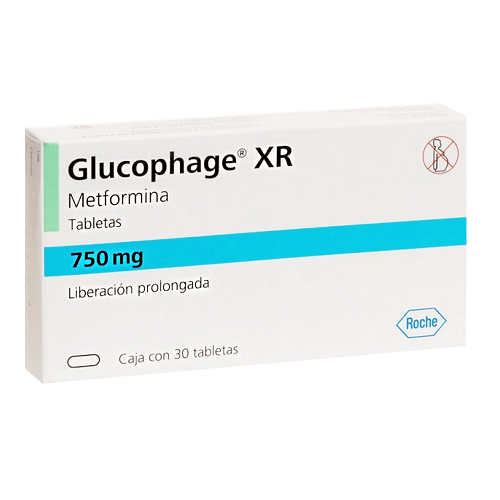
Table of Contents
- Can Glucophage Be Obtained Without a Prescription in the United States?
- Key Facts About Glucophage (Metformin): Summary Table
- How Does Glucophage Work in the Body?
- Expert Commentary from doctor
- How Should Glucophage Be Taken? Dosage and Administration Guidelines
- Does Food, Alcohol, or Lifestyle Affect Glucophage?
- Who Should Not Take Glucophage? Contraindications Explained
- What Side Effects Are Most Common with Glucophage?
- Common Patient Mistakes Observed by doctor
- How Does Glucophage Compare to Other Type 2 Diabetes Medications?
- Questions Frequently Asked to doctor
- Glucophage: Key Characteristics Table
- How to Obtain Glucophage Legally in the United States: Step-by-Step Guide
- Is It Safe and Legal to Buy Glucophage Online in the United States?
- How Can I Identify Genuine Glucophage and Avoid Counterfeit Products?
- Compatibility Check: Glucophage and Other Common Products
- How Is Glucophage Metabolized and Eliminated from the Body?
- Special Groups: Is Glucophage Safe for Everyone?
- What Should I Do in Case of Glucophage Overdose?
- Myth vs. Reality: What Glucophage Can and Cannot Do
- Original Glucophage vs Generics: What’s the Difference?
- Living with Type 2 Diabetes: Psychological and Social Support
- Professional Opinion of doctor
- Frequently Asked Questions (FAQ)
- References
Can Glucophage Be Obtained Without a Prescription in the United States?
No, it is illegal to purchase Glucophage (metformin) without a valid prescription in the United States. Glucophage is a prescription medication regulated by the U.S. Food and Drug Administration (FDA). Pharmacies—both in-person and online—are required to verify a legitimate prescription issued by a licensed U.S. healthcare provider before dispensing this medication. Purchasing from unverified or overseas websites that do not require a prescription is unsafe, illegal, and risks receiving counterfeit or substandard products.
Key Facts About Glucophage (Metformin): Summary Table
| Parameter | Details (2026, United States) |
|---|---|
| Active Ingredient | Metformin hydrochloride |
| Indication | Type 2 Diabetes Mellitus (T2DM) |
| Prescription Status | Prescription required by law |
| Onset of Action | Within days (glycemic improvement within 48–72 hours) |
| Peak Effect | 2–3 weeks for maximum effect |
| Main Contraindication | Severe kidney dysfunction (eGFR <30 mL/min/1.73 m2) |
| Typical Starting Dose | 500 mg once or twice daily |
| Maximum Daily Dose | 2,000–2,550 mg (varies by formulation) |
| Common Side Effects | Gastrointestinal upset, diarrhea, metallic taste |
| Current Price (2026) | $8–$40/month (generic), $40–$90/month (brand-name) |
| Insurance Coverage | Covered by most U.S. insurance, Medicare/Medicaid |
For most people with type 2 diabetes in the United States, Glucophage is the first-line medication, affordable, and widely covered by insurance plans.
How Does Glucophage Work in the Body?
Glucophage’s active ingredient, metformin, belongs to the biguanide class of medications. It primarily lowers blood glucose by decreasing hepatic gluconeogenesis—in plain terms, it reduces how much glucose your liver makes and releases into the bloodstream.
At a molecular level, metformin activates an enzyme called AMP-activated protein kinase (AMPK). This enzyme acts as a cellular “energy sensor.” When AMPK is activated, it increases insulin sensitivity, enhances peripheral glucose uptake (especially in muscle cells), and reduces intestinal absorption of glucose. Metformin does not increase insulin secretion, which is why it generally does not cause hypoglycemia (dangerously low blood sugar) when used alone.
Recent studies (2022–2025) have also described metformin’s potential to modulate the gut microbiome, which may further affect glucose metabolism and inflammation (PubMed).
Layperson’s Metaphor: Imagine your liver as a sugar factory that works overtime. Metformin tells the factory to slow down production and helps your muscles use up more sugar, all without “flooding” your system with extra insulin.
Expert Commentary from doctor
In clinical practice, I often see patients assume that Glucophage will act like insulin or cause immediate changes in their blood sugar. The reality? Metformin’s benefits build gradually over days to weeks and require ongoing lifestyle commitment for optimal effect. Some patients mistakenly stop taking it after a few days if they don’t see instant results—leading to poor glycemic control. Another common issue is underestimating the importance of taking Glucophage with meals to minimize gastrointestinal side effects. In my experience, clear communication about what this medication does (and does not do) helps patients stay engaged and avoid disappointment or unnecessary worry.
How Should Glucophage Be Taken? Dosage and Administration Guidelines
- What is the standard starting dose for adults?
- The usual starting dose is 500 mg once or twice daily with meals, or 850 mg once daily. Your doctor may adjust your dose by 500 mg per week based on blood glucose levels and tolerance.
- What is the maximum daily dose?
- The maximum approved dose in the United States is 2,000–2,550 mg/day (divided into 2–3 doses for immediate-release, 2 doses for extended-release).
- How should the tablets be taken?
- Take Glucophage with food to reduce stomach upset. Extended-release tablets (Glucophage XR) should not be crushed or chewed; they must be swallowed whole. Some immediate-release tablets may be split if scored, but always ask your pharmacist first.
- How long does it take for Glucophage to work?
- Initial effects appear within 48–72 hours, but full glucose-lowering benefits are usually seen after 2–3 weeks of consistent use.
- Is there a need for dose adjustment in elderly or patients with kidney disease?
- Yes. Dose reductions or discontinuation may be necessary in patients aged 65 and older, or those with reduced kidney function (eGFR below 45 mL/min/1.73 m2). Glucophage is contraindicated if eGFR is less than 30 mL/min/1.73 m2.
Never increase or decrease your dose without consulting your healthcare provider.
Does Food, Alcohol, or Lifestyle Affect Glucophage?
| Factor | Impact on Glucophage | Advice |
|---|---|---|
| Food (esp. fatty meals) | Delays absorption slightly; may reduce stomach upset | Take with meals, preferably breakfast and/or dinner |
| Alcohol | Increases risk of lactic acidosis (rare but serious) | Avoid binge drinking; limit to ≤1 drink/day (women), ≤2 drinks/day (men) |
| Grapefruit juice | No clinically significant interaction known | Safe in moderation |
| Smoking | No direct effect on Glucophage, but worsens diabetes outcomes | Strongly advised to quit smoking |
| Physical activity | Enhances glucose uptake by muscles; synergistic effect with Glucophage | Incorporate regular exercise for best results |
In short: Take Glucophage with food, avoid excessive alcohol, and combine with healthy lifestyle changes for maximum benefit.
Who Should Not Take Glucophage? Contraindications Explained
- Absolute Contraindications:
- Severe kidney impairment (eGFR <30 mL/min/1.73 m2)
- Known allergy to metformin or any component of Glucophage
- Acute or chronic metabolic acidosis (including diabetic ketoacidosis)
- Active, serious infection or severe dehydration
- Acute heart failure or recent myocardial infarction (heart attack) with instability
- Relative Contraindications (Use with Caution):
- Moderate kidney dysfunction (eGFR 30–45 mL/min/1.73 m2) – dose adjustment required
- Age over 80 years (unless kidney function is normal)
- Chronic liver disease, excessive alcohol intake
- Planned use of iodinated contrast media (e.g., for CT scans) – may require temporary discontinuation
If you have had a recent heart attack, severe infection, or are planning any radiological procedure with contrast dye, inform your doctor before starting or continuing Glucophage.
What Side Effects Are Most Common with Glucophage?
- Very Common (>10% of users)
-
- Gastrointestinal symptoms: diarrhea, nausea, upset stomach, flatulence
- Metallic taste in mouth
- Common (1–10%)
-
- Loss of appetite
- Mild weight loss
- Vitamin B12 deficiency with long-term use
- Rare (<1%)
-
- Lactic acidosis (very rare, but potentially fatal)
- Skin rashes or allergic reactions
- Very Rare (<0.01%)
-
- Liver dysfunction (usually reversible)
- Severe hypersensitivity (anaphylaxis)
What to do if you experience side effects: Mild GI upset is common and often resolves within 1–2 weeks. If you develop persistent vomiting, muscle pain, breathing problems, or severe fatigue—seek immediate medical attention, as these may signal lactic acidosis.
Common Patient Mistakes Observed by doctor
- Stopping Glucophage After Initial Stomach Upset: Many discontinue the drug after a few days due to diarrhea or nausea, not realizing this often improves with gradual dose increases and taking the drug with food.
- Taking on an Empty Stomach: Increases risk of GI side effects. Always take with meals unless instructed otherwise.
- “Doubling Up” After a Missed Dose: Trying to “catch up” with extra tablets can increase side effect risk. If you miss a dose, skip it and take your next dose as scheduled.
- Ignoring the Need for Periodic Kidney Checks: Metformin can accumulate if kidney function worsens. Regular monitoring is essential, especially for older adults.
- Assuming Alcohol is Harmless: Excessive drinking increases the risk of lactic acidosis, a potentially life-threatening side effect.
- Using Over-the-Counter Supplements Without Disclosing: Certain supplements, especially high-dose vitamin C, may interact with metformin metabolism. Always inform your healthcare team about any supplement use.
To avoid these mistakes, follow your doctor’s advice closely and communicate regularly about side effects or any changes in your health status.
How Does Glucophage Compare to Other Type 2 Diabetes Medications?
| Medication | Typical Onset | Duration of Action | Common Side Effects | Monthly Cost (2026, USD) | Advantages | Disadvantages |
|---|---|---|---|---|---|---|
| Glucophage (Metformin) | 2–3 days | 24 hours (immediate); up to 24–36 hours (extended) | GI upset, B12 deficiency (rare), lactic acidosis (very rare) | $8–$40 (generic); $40–$90 (brand) | First-line, low risk of hypoglycemia, proven long-term safety | GI side effects in some, not for severe kidney/liver impairment |
| SGLT2 inhibitors (e.g., empagliflozin, dapagliflozin) | 3–7 days | 24 hours | Genital infections, dehydration, rare ketoacidosis | $400–$550 | Weight loss, cardiovascular benefit, oral | High cost, increased urination, dehydration risk |
| GLP-1 receptor agonists (e.g., semaglutide, liraglutide) | 1–2 weeks | Weekly or daily dosing | Nausea, vomiting, risk of pancreatitis | $950–$1,400 | Weight loss, reduced cardiovascular events, some once-weekly | Injectable, expensive, GI side effects |
| Sulfonylureas (e.g., glipizide, glyburide) | Within hours | 12–24 hours | Hypoglycemia, weight gain | $10–$35 | Low cost, rapid effect | Hypoglycemia risk, not for advanced age or kidney/liver issues |
Bottom line: Glucophage is the most cost-effective first-line therapy in the United States. Newer agents provide additional benefits for selected patients, but at a much higher cost. Combination therapy is often used for best results.
Questions Frequently Asked to doctor
- “Is it dangerous to take Glucophage if I have mild kidney problems?”
- If your estimated glomerular filtration rate (eGFR) is above 45, Glucophage is generally safe with regular monitoring. For eGFR 30–45, your doctor may lower the dose or consider alternatives; below 30, it is not recommended.
- “Can I drink alcohol while on Glucophage?”
- Small amounts (a glass of wine or beer) are usually safe, but avoid heavy drinking, which increases the risk of lactic acidosis—a rare but serious complication.
- “What happens if I miss a dose?”
- Do not double up on your next dose. Take the missed dose as soon as you remember, unless it’s almost time for your next one. Skipping an occasional dose won’t cause immediate harm, but regularity matters.
- “Does Glucophage cause weight loss?”
- Some users notice modest weight loss (2–5 lbs on average). However, it’s not a weight-loss drug per se; benefits are greatest when combined with healthy diet and exercise.
- “Are there long-term risks with Glucophage?”
- Major long-term concern is vitamin B12 deficiency, especially after years of use. Your doctor should check levels every 1–2 years and supplement if needed.
- “Can I use Glucophage during pregnancy?”
- Metformin may be continued in selected cases (like polycystic ovary syndrome or gestational diabetes), but this is a complex decision. Always discuss pregnancy plans with your endocrinologist or OB/GYN.
- “Is Glucophage safe for older adults?”
- Usually yes, but kidney and liver function must be monitored regularly. Doses may need to be reduced in older adults to avoid accumulation and side effects.
Glucophage: Key Characteristics Table
| Parameter | Value |
|---|---|
| Active Substance | Metformin hydrochloride |
| Formulations Available | Immediate-release (IR), Extended-release (XR) |
| Tablet Strengths | 500 mg, 850 mg, 1000 mg |
| Duration of Action | Up to 24 hours (XR); 8–12 hours (IR) |
| Elimination Route | Primarily renal (kidneys) |
| Half-life (T1/2) | 6.2 hours (IR); ~17 hours (XR) |
| Pregnancy Category (FDA, 2026) | Considered generally safe, but only under medical supervision |
| Storage Conditions | Room temperature, 20–25°C (68–77°F) |
How to Obtain Glucophage Legally in the United States: Step-by-Step Guide
- Step 1: Medical Consultation
Schedule an appointment with a licensed U.S. healthcare provider (MD, DO, nurse practitioner, or PA). This can be in-person or via a telemedicine service (now widely available in cities like New York, Los Angeles, Houston, and many others). - Step 2: Diagnosis and Assessment
Your provider will review your medical history, order labs (like A1C and kidney function tests), and confirm a diagnosis of type 2 diabetes or another approved indication. - Step 3: Obtain a Valid Prescription
If appropriate, your provider will issue a prescription for Glucophage or a generic metformin product, specifying dose and formulation. - Step 4: Pharmacy Fulfillment
Take your prescription to a licensed U.S. pharmacy (e.g., CVS, Walgreens, Rite Aid, or a local independent pharmacy). Alternatively, submit it to a licensed online/mail-order pharmacy based in the U.S. (such as those accredited by the NABP’s .pharmacy program). - Step 5: Insurance & Payment
Most health insurance plans and Medicare/Medicaid cover generic metformin with a small copay. If uninsured, ask about pharmacy discount programs or manufacturer coupons. - Step 6: Pick Up or Receive by Mail
Receive your medication along with a pharmacist consultation. Verify packaging and ensure you were dispensed the correct product.
Only use pharmacies that require a valid prescription. Never purchase Glucophage from non-U.S. or non-accredited websites.
Is It Safe and Legal to Buy Glucophage Online in the United States?
Purchasing Glucophage online is legal only if you use a licensed U.S. pharmacy that requires a prescription and is accredited (look for the NABP .pharmacy seal). Buying from sites that do not require a prescription, or that ship from outside the United States, is illegal and exposes you to the risk of counterfeit medications and possible legal consequences. U.S. Customs may seize these shipments, and you may receive pills that are ineffective—or even dangerous.
The prescription requirement protects you by ensuring your diagnosis is correct, your kidney and liver function are monitored, and the medication is safe for your specific health profile.
How Can I Identify Genuine Glucophage and Avoid Counterfeit Products?
- Check the packaging: Authentic Glucophage tablets (by Bristol-Myers Squibb/Sanofi) come in sealed blister packs with clear labeling, batch number, NDC (National Drug Code), and manufacturer details.
- Tablet appearance: Glucophage tablets are typically white, oval, and film-coated. Each strength has distinct engraving (e.g., “500” or “MET 1000”).
- QR code or hologram: Some modern packaging includes a scannable QR code or hologram for authenticity verification.
- Price: Suspiciously low prices may indicate counterfeit or imported products not approved for U.S. use.
- Purchase point: Only buy from licensed U.S. pharmacies. The FDA BeSafeRx program helps you identify safe online pharmacies.
What about generics? Generic metformin is FDA-approved, must meet stringent quality standards, and may differ in inactive ingredients (excipients) or shape/markings, but not in effectiveness.
Compatibility Check: Glucophage and Other Common Products
| Product/Drug | Can it be combined? | Possible Consequences |
|---|---|---|
| Aspirin (low-dose) | Yes | No significant interaction |
| ACE inhibitors (e.g., lisinopril) | Yes, with monitoring | May affect kidney function; monitor labs |
| Nitroglycerin | Yes | No direct interaction |
| Insulin or sulfonylureas | Yes, with care | Risk of hypoglycemia; close monitoring needed |
| Contrast dye (iodinated for CT) | NO (temporary stop) | Risk of kidney injury and lactic acidosis—stop before/after procedure per physician guidance |
| Alcohol (large amounts) | NO | Increased risk of lactic acidosis, especially if binge drinking |
| Vitamin B12 | Yes | May prevent deficiency with long-term use |
How Is Glucophage Metabolized and Eliminated from the Body?
Glucophage (metformin) is not metabolized by the liver, which is unusual for oral medications. Instead, it is absorbed in the small intestine and excreted unchanged via the kidneys. This means people with impaired kidney function are at risk for drug accumulation and toxicity.
The half-life (T1/2) of immediate-release metformin is about 6.2 hours, and for extended-release, about 17 hours. Steady-state concentrations are usually reached within 24–48 hours with regular dosing.
Because it is not broken down by liver enzymes (like CYP450), metformin has fewer drug–drug interactions than many other diabetes medicines.
Special Groups: Is Glucophage Safe for Everyone?
- Elderly (over 65): Use with regular kidney function monitoring; lower doses may be necessary to prevent accumulation.
- Liver Disease: Metformin is generally not recommended for severe liver dysfunction due to increased risk of lactic acidosis.
- Pregnancy & Breastfeeding: May be used with medical supervision for gestational diabetes or PCOS. Limited transfer into breast milk; generally considered safe, but always discuss with OB/GYN.
- Children & Adolescents: FDA-approved for children 10 years and older with type 2 diabetes.
- Driving/Machinery: Metformin alone does not cause hypoglycemia, so it does not impair driving. Caution if combined with other agents that lower blood sugar.
- Fertility: May improve ovulation and fertility in women with PCOS.
- Chronic Heart Failure: Previously considered risky, but recent studies suggest metformin can be used cautiously if heart failure is stable and kidney function is preserved.
What Should I Do in Case of Glucophage Overdose?
- Stop taking Glucophage immediately.
- Call 9-1-1 or your local emergency services (e.g., in New York or Los Angeles) for urgent medical help.
- Inform medical staff about the dose and time taken.
- Watch for symptoms such as rapid breathing, muscle pain, severe fatigue, vomiting, or confusion—these may indicate lactic acidosis.
- Do not try to induce vomiting or treat yourself at home.
In hospitals, treatment may include supportive care and, if needed, hemodialysis to remove metformin from the bloodstream.
Myth vs. Reality: What Glucophage Can and Cannot Do
Myth: “Glucophage works instantly and can replace lifestyle changes.”
Reality: The effect is gradual and maximal only with sustained, healthy lifestyle choices. It manages blood sugar, but does not cure diabetes or replace exercise and diet.
Myth: “Metformin is safe for anyone with high blood sugar.”
Reality: Not true—those with kidney, liver, or severe heart disease may be at risk for serious complications and should never start the drug without medical assessment.
Original Glucophage vs Generics: What’s the Difference?
- Effectiveness: According to FDA standards, all generic metformin products must demonstrate equivalent efficacy and safety to original Glucophage tablets.
- Excipients: Inactive ingredients (fillers, coatings, binders) may differ between brands. Rarely, these may cause allergic reactions or mild digestive symptoms.
- Packaging & Appearance: Generics may look different (shape, color, imprint), but the active ingredient and dose are identical.
- Price: Generics are usually more affordable ($8–$20/month) compared to brand-name Glucophage ($40–$90/month).
- Trustworthiness: Only purchase generics that are FDA-approved and dispensed by licensed U.S. pharmacies.
For most patients, generics are equally effective and well-tolerated. Discuss concerns about excipients or allergies with your pharmacist or doctor.
Living with Type 2 Diabetes: Psychological and Social Support
Type 2 diabetes is common—affecting nearly 1 in 10 adults in the United States. Needing medication like Glucophage does not mean you’ve failed. Many people feel anxious, frustrated, or isolated after diagnosis. That’s normal, but diabetes is manageable. Seek support from diabetes educators, support groups (locally or online), or your healthcare team. Discussing challenges with family, friends, or a therapist can make a real difference.
Professional Opinion of doctor
From my perspective as an endocrinologist, Glucophage (metformin) remains the cornerstone of type 2 diabetes management in the United States. It’s especially beneficial for adults with newly diagnosed diabetes, those with overweight or metabolic syndrome, and patients seeking to avoid weight gain or hypoglycemia. In my experience, Glucophage is generally safe, affordable, and effective when prescribed appropriately and monitored regularly—particularly kidney function and vitamin B12 levels.
Risks are low, but not negligible—especially in those with underlying kidney or liver disease, or in people who drink alcohol heavily. In such cases, or if side effects are intolerable, I may recommend SGLT2 inhibitors or GLP-1 receptor agonists, although cost and access can be barriers. The best outcomes occur when Glucophage is combined with lifestyle intervention, ongoing education, and regular follow-up. Ultimately, the right diabetes therapy is highly individual—there’s no substitute for shared decision-making with a knowledgeable provider.
Frequently Asked Questions (FAQ)
- Can Glucophage be used daily?
- Yes, Glucophage is intended for daily use, typically divided into one or two doses with meals.
- Is Glucophage covered by insurance in the United States?
- Most private insurance, Medicare, and Medicaid plans cover generic metformin with minimal copays.
- How fast does Glucophage lower blood sugar?
- Noticeable effects usually begin within 2–3 days; maximal benefit in 2–3 weeks.
- Can I buy Glucophage online without a prescription?
- No, this is illegal and unsafe in the United States. Only buy from accredited U.S. pharmacies that require a prescription.
- What should I do if I miss a dose?
- Take it as soon as you remember, unless it’s nearly time for the next dose. Never double up.
- Can Glucophage cause low blood sugar?
- Rarely, and usually only if combined with insulin or other medications that lower blood sugar.
- Is Glucophage safe during pregnancy?
- It may be used in some cases, but only under close medical supervision—always consult your doctor.
- What does Glucophage look like?
- White or off-white, oval or round tablets with specific engravings per dose. Packaging includes batch number and manufacturer details.
- How do I report side effects from Glucophage?
- Contact your healthcare provider or report directly to the FDA MedWatch program.
- Are all generics of Glucophage equally effective?
- Yes, FDA-approved generics must meet strict standards for safety and efficacy.
References
- U.S. Food and Drug Administration (FDA), “Glucophage (metformin) label and safety information,” Accessed 2026. https://www.fda.gov/drugs
- American Diabetes Association, “Standards of Medical Care in Diabetes—2026,” Accessed 2026. https://diabetes.org/
- Mayo Clinic, “Metformin (Oral Route) Description and Brand Names,” Accessed 2026. https://www.mayoclinic.org/drugs-supplements/metformin-oral-route/description/drg-20067074
- PubMed, “Metformin and the Gut Microbiota,” Accessed 2026. https://pubmed.ncbi.nlm.nih.gov/
- ClinicalTrials.gov, “Metformin and Type 2 Diabetes,” Accessed 2026. https://clinicaltrials.gov/
- National Association of Boards of Pharmacy (NABP), “Safe Online Pharmacies,” Accessed 2026. https://nabp.pharmacy/programs/accreditations/
- FDA BeSafeRx, “Online Pharmacy Safety,” Accessed 2026. https://www.fda.gov/drugs/besaferx-your-source-online-pharmacy-information
Bottom line: Glucophage remains a gold standard for type 2 diabetes in the United States—safe, affordable, and effective for most, but always requires proper diagnosis, prescription, and ongoing monitoring. Never self-medicate or purchase from unregulated sources. For personalized advice, consult a board-certified endocrinologist or diabetes specialist in your state.