


- Home/
- Buy Antabuse in Online Pharmacy for United States Customers
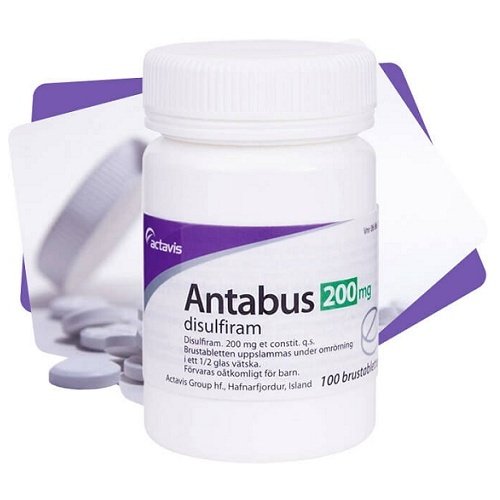
| Medication name | Antabuse |
|---|---|
| Key compound | Disulfiram |
| Main use | Management of alcohol dependence |
| Dosage forms available | 250 mg, 500 mg oral tablets |
| Start of action | Within 1-2 hours after ingestion |
| Lasting effect | Up to 1-2 weeks after last dose |
| Administration routine | Once daily (typically) |
| Prescription status in US | Prescription required (regulated by FDA) |
| Typical monthly price range (US) | Approx. $40–$120 (varies by pharmacy and brand) |
Antabuse for Alcohol Dependence: A Practical Guide for United States
Antabuse, containing the active substance disulfiram, is a prescription medication approved for use in the United States to support individuals seeking to remain abstinent from alcohol. Designed for those struggling with alcohol dependence, Antabuse works by creating an immediate physical deterrent to drinking, and is available through U.S. pharmacies under medical supervision.
The Scope of the Problem: Alcohol Dependence in the United States
Alcohol dependence is a widespread health concern, impacting millions of Americans across age groups and backgrounds. According to the National Institute on Alcohol Abuse and Alcoholism (NIAAA), as of 2022, approximately 29.5 million people aged 12 or older in the United States had alcohol use disorder. This number underscores that the challenges you may be facing are far from rare—and that effective, evidence-based options exist for people seeking to regain control over their relationship with alcohol.
How Antabuse Acts: The Physiological and Practical Mechanism
Antabuse works by interfering with the way your body breaks down alcohol. Normally, when you drink, your liver metabolizes alcohol into acetaldehyde, which is then further converted into harmless acetic acid. Antabuse blocks the enzyme (aldehyde dehydrogenase) that handles this second step. As a result, drinking alcohol while taking Antabuse causes acetaldehyde to accumulate in your body, leading to highly unpleasant symptoms—flushing, rapid heartbeat, nausea, vomiting, headache, and more.
What does this mean practically? If you drink alcohol—sometimes even small amounts—while Antabuse is active in your system, you will feel ill within minutes. This strong, immediate reaction creates a psychological and physical barrier to drinking, making it easier to avoid alcohol, especially in high-risk moments. Importantly, this deterrent effect can persist for up to two weeks after your last dose, providing a safety net even if a pill is missed.
Is Antabuse Right for You? Recognizable Scenarios
| Situation | Recommendation | Why |
|---|---|---|
| You have tried to quit drinking, but struggle with strong urges in social or stressful situations. | Antabuse may be a suitable option. | The physical deterrent can help you pause before drinking, supporting abstinence when willpower alone is not enough. |
| You have a stable support system and are committed to not drinking, but want extra reassurance in early recovery. | Consider Antabuse as part of a comprehensive plan. | The medication can act as a “safety lock,” reinforcing your decision to stay sober—especially during high-risk periods. |
| You have significant heart or liver disease, are pregnant, or have a history of psychosis. | Antabuse is not recommended. | These conditions increase the risk of serious side effects or complications. Other medications or treatment approaches may be safer. |
| You are unable or unwilling to fully abstain from alcohol during treatment. | Antabuse is not appropriate. | This medication does not reduce cravings, and drinking while on Antabuse can cause severe reactions requiring emergency care. |
Always consult a healthcare provider to assess your individual health status and goals before starting Antabuse.
Applying Antabuse in Real Life: What to Expect and What to Do
- Initiation: Antabuse is started only after you have been alcohol-free for at least 12 hours (ideally 24 hours). Your doctor will choose a starting dose, usually 250 mg once daily.
- Routine: Take your tablet at the same time each day, preferably in the morning. Swallow with water; you can take it with or without food.
- Food and hidden alcohol sources: Avoid products containing alcohol, including some sauces, vinegar, cough syrups, mouthwashes, aftershaves, and even certain perfumes. Read labels carefully—accidental exposure can trigger a reaction.
- If you miss a dose: Take it as soon as you remember, unless it’s almost time for the next dose. Do not double up. Missing a single dose may not completely remove the protective deterrent, but regularity is critical for effectiveness.
- If you drink while on Antabuse: Expect a reaction within minutes—intense flushing, pounding heartbeat, nausea, difficulty breathing, and sometimes confusion. Do not try to “test” the medication.
- If you stopped taking Antabuse: The deterrent effect can last up to two weeks. Continue to avoid alcohol and products containing alcohol during this period.
- If you feel unwell or experience unexpected symptoms: Seek medical attention, especially if symptoms are severe or do not resolve.
doctor’s insight: “The goal with Antabuse is not to punish, but to empower. Used correctly, it helps shift the decision-making moment further away from temptation, giving you time to choose recovery over relapse. But it only works as part of a larger plan—support, counseling, and honest self-monitoring are essential.”
Antabuse Safety: Who Should Not Take It?
Certain conditions make Antabuse unsafe or inappropriate. These are the most important:
- Severe heart disease: Antabuse can trigger rapid changes in blood pressure and heart rhythm during a reaction, which can be dangerous for those with underlying cardiac conditions.
- Hepatic impairment: People with advanced liver disease are at risk because disulfiram itself is metabolized by the liver, and both the medication and alcohol-induced reactions can cause liver stress.
- History of psychosis or severe mental illness: Antabuse can make psychiatric symptoms worse.
- Pregnancy or breastfeeding: The medication is generally not recommended due to lack of safety data and the potential risk to the fetus/baby.
- Allergy to disulfiram or thiuram derivatives: If you’ve reacted to rubber chemicals or pesticides in this family, avoid Antabuse.
If you’re unsure, your doctor can review your health history—including medications, allergies, and mental health—to determine if Antabuse is safe for you.
What Side Effects Might Occur?
- Common and usually mild: Drowsiness, metallic or garlic-like taste, skin rash, mild headache. These often improve with time or dose adjustment.
- Less common, but may require a doctor’s input: Nerve tingling or numbness, eye pain or vision changes, jaundice (yellowing skin/eyes), dark urine. Report these if they persist or worsen.
- Severe reactions (especially if alcohol is consumed): Chest pain, difficulty breathing, confusion, seizures, severe vomiting, fainting. If any of these occur, call 911 or go to the nearest emergency room immediately.
If you suspect an overdose or a life-threatening reaction, contact the Poison Help line at 1-800-222-1222 in the United States, or call 911 for urgent medical assistance.
Interactions: What Else Can Affect Antabuse?
Antabuse’s effects can be intensified or complicated by certain other substances:
- Medications containing alcohol: Many liquid medicines, tonics, and cough syrups have alcohol that can trigger a reaction.
- Other drugs: Combining Antabuse with metronidazole (an antibiotic), phenytoin (an anti-seizure drug), or certain blood thinners can cause dangerous side effects or require dose adjustments.
- Environmental exposure: Even skin contact with alcohol-containing products (e.g., hand sanitizer) can sometimes cause flushing or mild symptoms in sensitive individuals.
Always provide your doctor with a full list of your medications, supplements, and over-the-counter products before starting Antabuse.
Alternatives to Antabuse: Honest Comparison
| Medication | Main effect | Best suited for… | Limitations |
|---|---|---|---|
| Antabuse (Disulfiram) | Alcohol deterrent (creates negative reaction if alcohol is consumed) | Those highly motivated to abstain, who want a physical deterrent | No effect on cravings, not suitable for people with certain medical conditions |
| Naltrexone | Reduces alcohol craving and reward | People aiming to reduce drinking or prevent relapse without a physical deterrent | May not fully prevent drinking; requires ongoing motivation |
| Acamprosate | Restores brain balance post-withdrawal, reduces cravings | Those already abstinent seeking long-term support | Less effective if not fully abstinent; requires multiple daily doses |
| Supportive therapy alone | Counseling, group support, behavioral therapy | All patients should receive this in combination with or without medication | May be less effective for severe or long-standing dependence on its own |
Antabuse is most effective for people who are fully committed to abstaining from alcohol and have support in place to maintain adherence. Other medications may be better suited if craving control is the primary challenge, or if medical contraindications to Antabuse exist.
What You Will Actually Pay: Cost Breakdown for Antabuse in the U.S.
| Cost item | Amount | Note |
|---|---|---|
| Initial physician consultation | $90–$250 | In-person or telemedicine; may be covered by insurance |
| Prescription charge | $0–$25 | Depends on clinic/pharmacy; sometimes included with consultation |
| Antabuse tablets (30-day supply) | $40–$120 | Generic options usually less expensive; price may vary by pharmacy |
| Standard shipping (if buying online) | $5–$20 | Varies by provider and location |
| Total estimated | $135–$415 | First month, including consultation, medication, and shipping |
Ongoing monthly costs are typically limited to the price of the medication and any follow-up visits, which may become less frequent over time. Insurance may cover some or all costs; check with your provider for details. A prescription is required by U.S. law, and most pharmacies will not dispense Antabuse without it.
What Else Should You Know Before Deciding?
People often wonder if it is possible to buy Antabuse online without a prescription in the U.S. Legally, Antabuse must be dispensed with a valid prescription, as required by the Food and Drug Administration (FDA). While some online sources claim to sell it without a prescription, these are often unregulated and carry serious risks, including counterfeit or unsafe products. For your safety and legal protection, always use a licensed U.S. pharmacy and consult a healthcare provider before starting treatment.
Antabuse is just one part of a comprehensive recovery plan. Support groups, therapy, and ongoing medical monitoring greatly enhance the chances of sustained sobriety. If you’re unsure about your next steps or how to safely access Antabuse, your doctor or a dedicated addiction specialist can provide tailored guidance for your situation.