


- Home/
- Buy Lasix Without Prescription Online in the United States
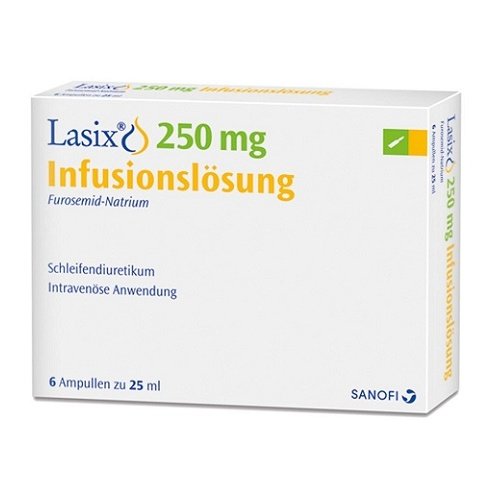
| Medication Name | Lasix |
|---|---|
| Main Substance | Furosemide |
| Treatment Purpose | Management of swelling (edema) due to heart failure, liver or kidney conditions |
| Strengths Available | 20 mg, 40 mg, 80 mg tablets; also available as injectable solution |
| How Quickly It Works | Oral: starts working within 1 hour; IV: within 5 minutes |
| Effect Duration | 4–8 hours after a single dose |
| How to Use | Typically daily or as prescribed, based on condition |
| Prescription Status in United States | Prescription required (FDA-regulated) |
| Typical Price Range (USA) | $10–$40 per 30 tablets (generic); brand higher |
Lasix: Choosing and Using Furosemide for Edema in the United States
Lasix, known generically as furosemide, is a diuretic commonly prescribed to manage fluid retention (edema) from various medical causes. It is accessible by prescription across the United States under the oversight of the FDA. This guide will help you understand if Lasix is right for you, how it works, practical details of its use, and what to expect throughout the process of obtaining and using it.
Why Edema Is a Recognized and Treatable Issue
Swelling from excess fluid—called edema—may develop for many reasons, including heart, liver, or kidney problems. According to the American Heart Association (2023), over 6 million adults in the United States are living with heart failure, and many experience edema as a result. The Centers for Disease Control and Prevention (CDC, 2022) also note that kidney and liver diseases account for a substantial portion of the annual hospitalizations for swelling-related complications. These figures show that edema is a common problem, not a rare or unusual one, and that proven treatments exist. Early recognition and prompt treatment can significantly improve comfort and outcomes.
How Lasix Acts to Relieve Swelling: Mechanism and Patient Experience
Lasix belongs to a class of medications known as “loop diuretics.” It works by acting on a part of the kidney called the loop of Henle. Here’s what happens: Furosemide blocks the reabsorption of sodium and chloride in this region. As a result, more salt and water are passed into the urine—leading to increased urination and, crucially, removal of excess fluid from the body.
For the patient, this means that after taking Lasix, there is typically a noticeable increase in urination within an hour (oral form) or within minutes (injection). As your body sheds this extra fluid, swelling in the legs, ankles, lungs, or abdomen tends to lessen. Many people report reduced shortness of breath or a decrease in leg swelling. However, the effect and speed can vary, especially depending on kidney function and the underlying cause of edema. Lasix does not cure the underlying disease but helps control the symptoms by removing fluid that the body cannot handle on its own.
Is Lasix the Right Choice for You? Situational Guide
| Your Situation | Recommendation | Reason |
|---|---|---|
| You have swelling in your legs due to known heart failure and your doctor has suggested a diuretic | Lasix is often the preferred option | Because it acts rapidly and is widely used for heart-related fluid overload |
| You are experiencing sudden, severe shortness of breath and have swelling, but have never been diagnosed with heart, kidney, or liver disease | Seek medical evaluation first—do not self-treat with Lasix | Because sudden symptoms may signal a medical emergency or a new diagnosis requiring immediate attention |
| You have mild, occasional swelling in your ankles but also have a history of significant kidney problems | Lasix may still be used, but requires close monitoring and individualized dosing | Because impaired kidneys can alter how Lasix is processed, increasing risks; medical supervision is essential |
| You are pregnant or breastfeeding and experiencing swelling | Lasix is generally avoided unless absolutely necessary | Because it can affect fluid balance in both mother and baby |
| You have been told your swelling is due to a condition unrelated to fluid overload (for example, chronic venous insufficiency or lymphedema) | Lasix is unlikely to help | Because it only addresses fluid retention, not swelling from other causes |
These scenarios illustrate that Lasix is a first-line treatment when the swelling is due to fluid overload—especially from heart, kidney, or liver disease, and when prescribed by a physician. If your situation doesn’t match, or if you have complex health conditions, a personalized plan is essential.
Practical Use: How Lasix Fits Into Daily Life
- When to take it: Preferably in the morning, to avoid nighttime urination. If prescribed twice a day, take the second dose in mid-afternoon unless your doctor advises otherwise.
- With or without food: Lasix can be taken with or without food, but if you notice stomach upset, try taking it with a meal.
- What to expect after taking it: You may need frequent trips to the bathroom within a few hours of each dose. Plan accordingly, especially if you have mobility limitations or work outside the home.
- Missed dose: If you forget a dose, take it as soon as you remember unless it’s nearly time for your next dose. Do not double up. If you’re unsure, skip the missed dose and continue as scheduled.
- If you don’t notice improvement: Contact your doctor if you see no reduction in swelling or breathing difficulty within a few days—your dose or medication may need adjustment.
- Hydration and diet: Diuretics can affect your potassium and other electrolytes. Your physician may recommend blood tests or dietary changes. Do not start or stop salt intake changes without advice.
- Monitor your weight: Sudden weight gain or loss can signal fluid changes. Weigh yourself at the same time each day and report significant changes to your doctor.
Lasix requires ongoing attention to your body’s signals and regular communication with your healthcare provider. If you feel dizzy, excessively thirsty, have muscle cramps, or show signs of dehydration, let your doctor know—these may be signs that your dose is too high or your body is reacting unexpectedly.
Who Should Not Use Lasix? Understanding Contraindications
- Severe allergy to furosemide or sulfa drugs: Lasix is contraindicated because it may trigger a dangerous allergic reaction.
- Complete inability to urinate (anuria): Not suitable because Lasix depends on kidney function to produce urine and remove fluid.
- Severe electrolyte imbalance (e.g., very low potassium or sodium): Because Lasix may worsen these conditions, increasing the risk of heart rhythm problems.
- Pregnancy and breastfeeding: Use only if benefits clearly outweigh risks, under close doctor supervision, due to possible effects on the fetus or infant.
- Severe liver coma (hepatic encephalopathy): Lasix may worsen mental status because of rapid changes in fluid and electrolytes.
For each of these situations, the risk of a serious complication outweighs the potential benefit of Lasix. Always inform your healthcare provider of all your medical conditions before starting this medication.
Possible Side Effects: What’s Common, What’s Rare, and When to Act
- Common side effects: Increased urination (most people), mild dehydration, dizziness upon standing, low potassium (hypokalemia), low sodium (hyponatremia), muscle cramps.
- Uncommon but possible: Hearing changes (especially with high doses or fast IV use), skin rash, increased blood sugar, gout attacks.
- Rare but serious (seek immediate help): Severe skin reactions, confusion, fainting, irregular heartbeat, or difficulty breathing. If you experience any of these, call 911 (U.S. emergency services) right away.
Most mild side effects improve as your body adjusts. However, symptoms such as extreme thirst, confusion, ringing in the ears, or rapid heartbeat should prompt a call to your doctor. Urgent action is needed if you collapse, develop hives/swelling, or have trouble breathing.
Drug Interactions: What Else You Take Matters
Lasix can interact with many common medications, including but not limited to:
- Other blood pressure medicines (can increase the risk of low blood pressure or kidney issues)
- Nonsteroidal anti-inflammatory drugs (NSAIDs) like ibuprofen (can reduce Lasix’s effectiveness and stress the kidneys)
- Diabetes medications (blood sugar changes may occur)
- Certain antibiotics (such as aminoglycosides, may increase risk of hearing loss)
- Digoxin (risk of irregular heartbeat if potassium is low)
- Lithium (toxic levels may occur if combined with Lasix)
Always review your full medication list—including supplements—with your provider or pharmacist. Sometimes, dose adjustments or extra monitoring are needed. Never stop or start medicines on your own while using Lasix.
How Does Lasix Compare? Alternatives in the United States
| Name | Type | Strengths | Limitations | When Preferred |
|---|---|---|---|---|
| Lasix (Furosemide) | Loop Diuretic | Fast onset, effective for moderate to severe fluid overload, oral and IV forms | Requires monitoring for dehydration/electrolyte loss; frequent urination | First-line for acute or significant edema from heart, kidney, or liver issues |
| Bumex (Bumetanide) | Loop Diuretic | More potent per mg than Lasix; similar effects | Shorter action; often used if Lasix is ineffective | When high doses of Lasix fail or in severe kidney disease |
| Hydrochlorothiazide | Thiazide Diuretic | Works well for mild edema; less impact on potassium | Less effective for severe fluid overload | For mild swelling or as an add-on to loop diuretics |
| Spironolactone | Potassium-Sparing Diuretic | Helps retain potassium; useful in liver disease | Slower onset; not strong enough for acute fluid overload | When potassium loss is a concern, or in cirrhosis |
Lasix stands out for rapid relief and broad experience among U.S. clinicians, but isn’t always the right choice. Alternative diuretics may be chosen based on individual kidney function, other health conditions, or when side effects or inefficacy limit Lasix’s use. Occasionally, a combination of medications is necessary. Discuss your specific needs with your healthcare provider, especially if you have tried one medication without success.
What You Will Actually Pay: Cost Breakdown for Lasix in the United States
| Expense Item | Amount | Context |
|---|---|---|
| Doctor’s evaluation (in-person or telemedicine) | $80–$250 | Required to get a prescription; may be covered by insurance |
| Prescription fee (if applicable) | $0–$30 | Some pharmacies or online services; often bundled with consultation |
| Lasix (generic furosemide) 30 tablets (40 mg) | $10–$40 | Retail or online pharmacy, generic price |
| Brand-name Lasix 30 tablets (40 mg) | $50–$120 | Brand pricing; higher than generic |
| Home delivery (standard shipping) | $5–$20 | Depends on pharmacy and location |
| Total estimated cost | $95–$440 | From minimum (consult, generic, shipping) to maximum (brand, higher consult fee) |
Most people reduce their costs by using generic furosemide and taking advantage of insurance or discount pharmacy programs. Online services offer convenience but always verify that the pharmacy is licensed in your state. The FDA and the state Board of Pharmacy regulate online and brick-and-mortar pharmacies alike.
Answers to Remaining Practical Questions
- Can I buy Lasix online without a prescription? By U.S. law, Lasix is a prescription medication. While some websites claim to sell it without a prescription, this is illegal and risky. Only use pharmacies verified by the NABP or state authorities.
- How quickly should I expect improvement? Many notice symptom relief within hours of the first dose, but full benefit may take several days, especially in chronic conditions. If your symptoms worsen or don’t improve, contact your provider.
- What if my pharmacy is out of stock? Ask if they can special order it, or try another licensed pharmacy. Both chain and independent pharmacies usually carry generic furosemide.
- Do I need regular lab tests? Yes, periodic blood tests are usually needed to monitor electrolytes, kidney function, and to adjust your dose for safety. Your provider will set the schedule based on your situation.
- How do I check if an online pharmacy is legitimate? Look for accreditation from the National Association of Boards of Pharmacy (NABP) and check the FDA’s list of approved online pharmacies. Avoid sites that do not require a prescription or that conceal their physical location.
For all practical purposes, regular communication with your healthcare team and use of certified pharmacies will ensure safe, effective treatment for edema with Lasix or its generics. If you have further concerns—especially regarding interactions or insurance coverage—bring these up at your next appointment. Staying informed is the best way to manage your condition confidently and safely.