


- Home/
- Buy Cialis in Online Pharmacy Across the United States
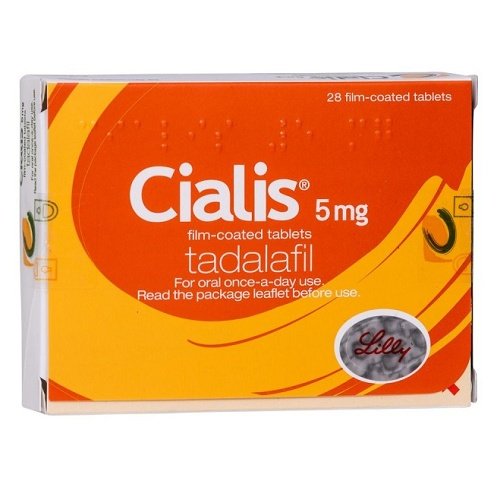
Cialis is a prescription medication in the United States used to treat Erectile Dysfunction in adult men. Its active ingredient, tadalafil, allows for both on-demand and daily dosing, distinguishing it from other ED medications. Before considering Cialis, understand that its convenience comes with unique benefits and risks—realistic expectations are key to successful treatment.
Is Cialis the Right Choice for You? How Real Patients Decide
Saturday morning, a patient walks into the clinic—nervous, hopeful, a little embarrassed. He’s tried to ignore his erectile difficulties for months. Now, with a prescription pad between us, he wants to know: “Why Cialis? Why not something else?”
Cialis, powered by tadalafil, is not just another name on a list of ED medications. Its long duration—up to 36 hours—offers a flexibility unmatched by sildenafil (Viagra) or vardenafil (Levitra). For some, this means restoring intimacy without the logistics of planning sex to the minute. For others, it’s the possibility of taking a low daily dose and having sexual activity whenever the moment feels right.
“The single most important thing to know about Cialis is that it gives you more control over timing—but it also means you need to think about side effects and interactions for a longer window,” says Dr. Andrew Goldman, a board-certified urologist specializing in men’s sexual health in New York. “It’s not just a stronger or longer version of Viagra. The clinical trade-offs are real.”
But that flexibility isn’t for everyone. Some men find the long effect liberating; others worry about lingering side effects or drug interactions that last long after the moment has passed. The decision isn’t just medical—it’s practical and personal, shaped by your health, your routines, and your hopes for a better sex life.
- Do you want to be able to have sex spontaneously, without scheduling?
- Are you able to plan around a medication’s effect, or does unpredictability make that hard?
- Do you already take medications (especially nitrates or alpha-blockers) that could interact dangerously with tadalafil?
- How important is convenience, and how much are you willing to pay for it?
These aren’t abstract questions. They’re the ones you’ll answer—directly or indirectly—before you and your doctor decide on Cialis.
Cialis in Daily Life: What Changes and What Stays the Same
The first weekend on Cialis is often a test. You may find yourself hyper-aware, waiting for a difference, wondering if you’ll notice when it “kicks in.” But Cialis isn’t a light switch. Its slower onset and longer effect mean that the changes can be subtle, even easy to miss—until, suddenly, they’re not.
Unlike sildenafil, which demands planning, tadalafil’s extended window means intimacy can happen more naturally. Many men describe an unexpected relief: less pressure, fewer calculations, more room for spontaneity.
One thing that doesn’t change: the need for sexual stimulation. Cialis does not cause erections on its own—it enables the natural process to work when you’re aroused. This is often a misunderstood point, especially for first-time users.
For men choosing the daily low-dose option, another shift appears: medication becomes part of the background, not just a date-night tool. The hope is that sex returns to “normal”—no clock-watching, no pill-taking ritual. But daily dosing also means daily consideration of interactions, side effects, and cost.
Cialis vs. Other ED Medications: How Do They Really Compare?
| Medication | Active Ingredient | Time to Effect | Duration | Dosing Options | Common Side Effects | Prescription Status (US) |
|---|---|---|---|---|---|---|
| Cialis | Tadalafil | 30-60 minutes | Up to 36 hours | On-demand or daily | Headache, flushing, back pain | Prescription only |
| Viagra | Sildenafil | 30-60 minutes | 4-6 hours | On-demand | Headache, flushing, nasal congestion | Prescription only |
| Levitra | Vardenafil | 30-60 minutes | 4-8 hours | On-demand | Flushing, headache, indigestion | Prescription only |
At first glance, the table makes Cialis sound like a marathoner—viagra and levitra are sprinters. That’s mostly true: tadalafil’s unique pharmacology means it stays in your system much longer, so you don’t have to time sex precisely. For men (and couples) who find the rituals of ED medication stressful, this is a real advantage. For others, especially those with risk factors for side effects, this longer window also means greater exposure if problems arise.
- Tadalafil
- The active ingredient in Cialis; a phosphodiesterase type 5 (PDE5) inhibitor that works by increasing blood flow to the penis in the presence of sexual stimulation.
Generic versions of Cialis contain tadalafil and are equally effective, though prices may vary widely. In the United States, all PDE5 inhibitors are prescription-only; there are currently no approved over-the-counter or supplement alternatives with proven efficacy and safety. Some men consider compounded or imported products—these options carry significant risks of contamination, incorrect dosage, and legal complications.
Taking Cialis: What Matters Most for Results and Safety
Cialis isn’t just about swallowing a pill and waiting. How you take it changes everything—on-demand versus daily, with food or on an empty stomach, alone or alongside other medications.
For on-demand use, most men take Cialis 30-60 minutes before sexual activity. The effects may last up to 36 hours, but that doesn’t mean you’ll have an erection the whole time. Instead, you’ll be able to achieve and maintain an erection during this window if you’re sexually aroused. Daily dosing (typically 2.5mg or 5mg each day) is an option for men who anticipate frequent sexual activity or want to avoid the “plan-ahead” approach.
| Indication | Starting Dose | Maximum Dose | Frequency | Special Considerations |
|---|---|---|---|---|
| Erectile Dysfunction (on-demand) | 10 mg | 20 mg | Once, before sexual activity | Not more than once per day |
| Erectile Dysfunction (daily) | 2.5 mg | 5 mg | Once daily, at the same time | Adjust for renal/hepatic impairment |
For men with kidney or liver problems, dose adjustments—or sometimes complete avoidance—are required. Always discuss your full medication and health history with your doctor before starting Cialis. Self-adjusting your dose is dangerous and can increase the risk of serious side effects.
Alcohol interacts with Cialis by amplifying the risk of dizziness and low blood pressure. Large, fatty meals may delay absorption a bit, but don’t blunt the effect as with some other ED medications. The key is consistency—take your daily dose at the same time, and talk to your doctor before making any changes.
Which Side Effects Matter Most with Cialis — and When to Act
Most men tolerate Cialis well, but the side effect profile is not trivial—especially when compared to shorter-acting alternatives. Headache, back pain, and indigestion top the list. Less often, facial flushing, nasal congestion, or muscle aches appear. These effects are usually mild and fade as your body adjusts, but persistence or severity should not be ignored.
What’s different with Cialis? Duration. Because tadalafil remains in your system so much longer, side effects can last a day or more. This can be a dealbreaker for men who experience intolerable symptoms. It also means that, if a drug interaction or allergic reaction occurs, you may face a longer recovery time than with short-acting ED drugs.
Rare but serious effects include sudden vision loss, hearing changes, or severe allergic reactions. The absolute risk is low, but these are signals to stop the medication and see a doctor immediately.
| Side Effect | Frequency | When to Contact a Doctor |
|---|---|---|
| Headache | Common | If severe, persistent, or accompanied by vision changes |
| Back pain / muscle aches | Common | If severe or disabling, does not improve |
| Indigestion | Common | If persistent or associated with chest pain |
| Priapism (erection >4 hours) | Rare | Immediate emergency care required |
| Sudden vision or hearing loss | Very rare | Stop Cialis, seek immediate medical attention |
| Allergic reaction (rash, swelling, difficulty breathing) | Rare | Stop Cialis, seek emergency care |
Don’t try to “wait out” serious or persistent side effects. Most are reversible by stopping the medication, but some—like priapism—can cause lasting harm if not treated right away.
When Not to Take Cialis: Warnings That Cannot Be Ignored
- Use any form of nitrate medication (for chest pain or heart disease)
- Have had a recent heart attack or stroke (within the past 6 months)
- Have severe liver failure or end-stage kidney disease requiring dialysis
- Are allergic to tadalafil or any ingredient in Cialis
These are absolute contraindications: taking Cialis in any of these situations can be life-threatening.
Relative contraindications require careful physician judgment. For example, men with poorly controlled high blood pressure, unstable angina, or retinitis pigmentosa need a tailored approach. Taking certain alpha-blockers or HIV protease inhibitors can increase the risk of dangerous blood pressure drops.
- Discuss all current medications—prescription, over-the-counter, and supplements—with your doctor.
- Report any history of eye problems, particularly non-arteritic anterior ischemic optic neuropathy (NAION).
- Be open about cardiovascular risks, even if you feel healthy. ED medications require the heart to be able to withstand sexual activity.
Clinical guidelines in the United States recommend a thorough cardiovascular assessment before starting any ED medication. This isn’t just red tape—it’s a safety net.
Getting a Prescription: Cost, Access, and the Realities of Cialis in United States
An uncomfortable truth: in the United States, access to Cialis is shaped by insurance coverage, pharmacy networks, and—sometimes—cost barriers that have nothing to do with clinical evidence.
Brand-name Cialis is expensive, often exceeding $60 per tablet if not covered by insurance. Generic tadalafil is priced much lower, sometimes under $2-5 per dose with discount programs. Insurance plans vary widely; many restrict ED medication coverage or require prior authorization. Health savings accounts (HSAs) and flexible spending accounts (FSAs) may provide some relief, but check your plan’s policies.
- Prescription must be obtained from a licensed healthcare provider in the US—either in-person or, increasingly, via telehealth.
- Pick up from a local or mail-order pharmacy; some online pharmacies offer discreet shipping but always verify licensure (FDA resource).
- Coupons and discount cards can reduce out-of-pocket costs, especially for generics.
- Pharmacists are required to provide medication counseling on possible interactions, use, and storage.
Direct-to-consumer ads sometimes suggest you can simply “ask your doctor”—but the conversation is more nuanced. A reputable prescriber will assess your cardiovascular risk, medication interactions, and address misconceptions about what Cialis can and cannot do.
“In my practice, the biggest surprise for patients is how variable insurance coverage can be,” Dr. Goldman notes. “Don’t be afraid to ask about generics and what your plan will actually cover before you leave the office with a prescription.”
Transparency and persistence are your best tools. Don’t settle for sticker shock—ask questions, shop around, and involve your healthcare team in finding a sustainable, effective regimen.
FAQ: The Questions Men Ask (and Don’t Ask) About Cialis
- How quickly does Cialis work, and how long does the effect last?
- Cialis (tadalafil) typically begins working within 30-60 minutes. Its effects can last up to 36 hours, allowing for a broader window of sexual activity compared to other ED medications. This does not mean an erection will last the entire time; it means the ability to achieve one when aroused is improved.
- What’s the difference between daily and on-demand Cialis? Which is better?
- Daily dosing involves taking a lower dose (2.5-5 mg) at the same time every day, supporting more spontaneous sexual activity. On-demand dosing uses higher doses (10-20 mg) as needed before sex. Which is better depends on your lifestyle, frequency of sexual activity, and tolerance for daily medication.
- Can I take Cialis with other medications?
- Some medications, especially nitrates, certain blood pressure drugs, and protease inhibitors, can interact dangerously with Cialis. Always review your full medication list with your doctor or pharmacist before starting tadalafil. Over-the-counter supplements and herbal products may also interact.
- What should I do if Cialis doesn’t work for me?
- First, make sure you’re using it correctly and giving it enough time. Sometimes, dose adjustments or addressing underlying health issues (like diabetes or low testosterone) are needed. If Cialis still doesn’t help, alternatives exist—your doctor can guide you to other options.
- Is it safe to buy Cialis online?
- Only if the pharmacy is licensed in the United States and requires a prescription. The FDA warns against “no prescription” websites, which may sell counterfeit or unsafe products. Use the FDA’s BeSafeRx resource to check pharmacy legitimacy.
- Are there any long-term risks with Cialis?
- Long-term use appears safe for most men, based on current evidence. Rare cases of vision changes, hearing loss, or priapism have been reported, but ongoing monitoring and regular check-ins with your healthcare provider are recommended.
- Can Cialis improve my sex life if my ED is psychological?
- Cialis helps with the physical aspect of achieving an erection, but if the root cause is psychological (stress, anxiety, depression), medication may not fully resolve the problem. Many men benefit from a combination of medical and counseling approaches.
References & Authoritative Sources
- Cialis (tadalafil) Prescribing Information, Lilly USA, LLC, 2023
- U.S. Food & Drug Administration
- Mayo Clinic: Erectile Dysfunction Treatments and Drugs
- American Urological Association: Clinical Guidelines on Erectile Dysfunction
- World Health Organization
- ClinicalTrials.gov
- PubMed
- Goldstein, I. et al. “Phosphodiesterase Type 5 Inhibitors for Erectile Dysfunction: Current Status and Future Directions,” The Journal of Sexual Medicine, 2022