


- Home/
- Buy Doxycycline at Low Price in the United States Online
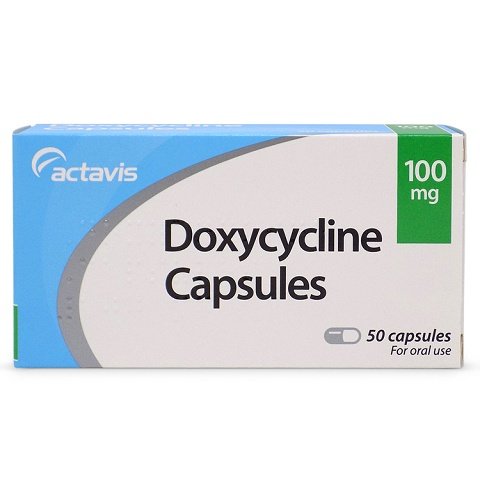
Doxycycline in the United States: Complete Guide to Safe Use, Prescription, Risks, and Alternatives (2026)
Can you get Doxycycline without a prescription in the United States?
No, it is illegal to obtain Doxycycline without a valid prescription in the United States. Under current FDA regulations (2026), Doxycycline is a prescription-only antibiotic and must be dispensed by a licensed pharmacy after evaluation by a qualified healthcare provider. Buying it without prescription (including from unverified online websites) puts you at risk for counterfeit products and legal consequences.
Summary: Key Facts About Doxycycline
- Active Ingredient: Doxycycline (usually doxycycline hyclate or monohydrate)
- Category: Prescription antibiotic (tetracycline class)
- Onset: Starts working within 1–2 hours; full effect seen over several days
- Prescription Status (2026): Prescription required in the United States
- Main Absolute Contraindication: Children under 8 years, pregnancy, known allergy to tetracyclines
- Most Common Side Effect: Gastrointestinal discomfort (nausea, diarrhea), photosensitivity
- Typical Cost (2026): $12–$60 for a 10-day course (varies by insurance, generic/brand, and pharmacy)
- Insurance Coverage: Often covered by most insurance plans and Medicaid for FDA-approved indications
How does Doxycycline work in the body?
Doxycycline is a broad-spectrum antibiotic in the tetracycline family. It works by inhibiting bacterial protein synthesis. Specifically, it binds to the 30S ribosomal subunit of bacteria, preventing the addition of amino acids to the growing peptide chain. This action blocks the bacteria’s ability to produce essential proteins, ultimately stopping their growth and allowing the immune system to eliminate the infection (FDA, PubMed).
Metaphor: Picture Doxycycline as a locked wrench jammed into the gears of a factory’s assembly line—once it’s in place, the bacteria can’t keep producing what they need to survive.
Additional Pharmacological Notes
- It does not work against viruses (like the flu or COVID-19).
- Its action is bacteriostatic (prevents growth), not bactericidal (does not directly kill bacteria at standard doses).
- The drug does not require a specific trigger or co-factor—once at the infection site, it acts independently.
- It has anti-inflammatory properties, which is why it’s sometimes used for non-infectious conditions (e.g., acne, rosacea).
Expert Commentary from doctor
As a practicing infectious disease specialist in the United States, I’ve seen Doxycycline’s role evolve over the past decade. Too often, patients believe that “stronger antibiotics” are always better—but this is a myth. Doxycycline is chosen for its predictable absorption, relatively low risk of resistance (compared to some alternatives), and favorable side effect profile. However, misuse—especially incomplete courses or self-dosing—has led to avoidable complications and rising antibiotic resistance. My advice: Take the full prescribed course even if you feel better, report any unusual symptoms immediately, and never share your antibiotics. Doxycycline’s effectiveness depends as much on patient behavior as on its pharmacology.
How do you take Doxycycline correctly?
| Indication | Starting Dose | Duration | Maximum Dose | Special Notes |
|---|---|---|---|---|
| Bacterial Infections (general) | 100 mg twice daily | 7–14 days | 200 mg/day | Must be taken with water and upright for at least 30 min |
| Acne/Rosacea | 50–100 mg once daily | Weeks to months | 100 mg/day | Periodic re-evaluation necessary |
| Malaria Prophylaxis | 100 mg once daily | Start 1–2 days before travel, continue 4 weeks after | 100 mg/day | Check CDC travel advisories |
- Tablets/capsules should be swallowed whole with at least 8 ounces (240 mL) of water.
- Do not lie down for at least 30 minutes after taking Doxycycline to avoid esophageal irritation.
- For elderly patients or those with impaired kidney function, dose adjustment is generally not needed, but always confirm with your prescriber.
- Splitting the tablet is not recommended due to uneven dosing and potential for esophageal damage.
- Do not exceed the prescribed dose; higher doses do not improve efficacy and may increase risk of severe side effects.
Peak plasma levels are reached within 1.5 to 4 hours post-dose. The drug’s half-life is approximately 18–22 hours in healthy adults (Mayo Clinic).
Can you take Doxycycline with food, alcohol, or other medications?
| Product Type | Can it be combined? | Consequences |
|---|---|---|
| Food (non-dairy, low-fat) | Yes | Reduces stomach upset; absorption is slightly reduced but not clinically significant |
| Dairy (milk, yogurt, cheese) | Caution | Calcium in dairy can reduce absorption by up to 50%; separate by 2 hours |
| Alcohol | Occasional use | Small amounts (1–2 drinks) are unlikely to cause harm, but heavy drinking may impair metabolism and increase side effects |
| Iron supplements, antacids (containing Mg, Al, or Ca) | NO (simultaneous use) | Significantly decreases absorption; take Doxycycline at least 2 hours apart |
| Grapefruit juice | No direct interaction | Unlike many drugs, grapefruit juice does not affect Doxycycline metabolism |
| Oral contraceptives | Caution | May rarely reduce effectiveness of hormonal birth control; consider additional protection |
Bottom line: Take Doxycycline with a full glass of water. You may take it with food if stomach upset occurs, but avoid milk and antacids around dosing time. Light alcohol use is not strictly prohibited, but avoid heavy drinking.
Who should never use Doxycycline? (Absolute and relative contraindications)
- Absolute Contraindications:
-
- Known allergy to Doxycycline or other tetracyclines (can cause severe allergic reactions)
- Children under 8 years of age (risk of permanent tooth discoloration and bone growth inhibition)
- Pregnancy (especially second and third trimester—risk of fetal bone and tooth defects)
- Severe liver failure (drug is metabolized in the liver; risk of toxicity)
- Relative Contraindications (use only with close monitoring):
-
- Breastfeeding (may affect infant’s bone/teeth development, though evidence is mixed)
- Moderate renal impairment (normally okay, but monitor closely)
- History of esophageal disease (risk of ulceration; take with extra water)
- Myasthenia gravis (can worsen muscle weakness)
- Lupus or autoimmune conditions (rare risk of drug-induced lupus exacerbation)
- Drug Interactions—Must Not Combine With:
-
- Isotretinoin (risk of increased intracranial pressure)
- Barbiturates, phenytoin, carbamazepine (can lower Doxycycline levels—may require dose adjustment)
Explanation: Tetracycline antibiotics can bind to calcium in bones and teeth. That’s why use in young children and pregnancy can cause lasting effects. Severe liver impairment raises risk of drug accumulation and toxicity.
What side effects are most common with Doxycycline?
| Frequency | Side Effect | Mechanism/Notes |
|---|---|---|
| Very Common (>1 in 10) |
Stomach pain, nausea, diarrhea | Irritation of gut lining; resolves with food or after stopping |
| Common (1–10%) |
Photosensitivity (sunburns), headache, loss of appetite | Doxycycline makes skin more sensitive to UV; headache may be due to mild intracranial pressure |
| Uncommon (0.1–1%) |
Esophageal irritation/ulcer | Caused by pill remaining in throat; always take with water and upright |
| Rare (<0.1%) |
Severe allergic reaction (anaphylaxis), drug-induced lupus, hepatitis | Medical emergency—stop medication and seek help immediately |
| Very Rare | Increased intracranial pressure (pseudotumor cerebri), C. difficile-associated diarrhea | Headache, vision changes, or severe diarrhea may signal these; requires urgent evaluation |
- What to do: For mild stomach upset, take with a small meal (not dairy). If rash, severe headache, difficulty breathing, or severe diarrhea occurs, stop medication and contact your doctor immediately.
- Guidance: Doxycycline is less likely to disrupt gut bacteria than some broad-spectrum antibiotics, but prolonged use still increases this risk.
Common Patient Mistakes Observed by doctor
-
Not finishing the full course
Why problematic: Incomplete treatment allows bacteria to survive and develop resistance.
How to avoid: Always finish the prescribed duration, even if symptoms improve. -
Taking Doxycycline with milk or antacids
Why problematic: Calcium, magnesium, and iron bind the drug and block absorption.
How to avoid: Separate dosing by at least 2 hours from dairy or supplements. -
Not sitting upright after taking the pill
Why problematic: Pill can stick in the throat and cause painful ulcers.
How to avoid: Take with a full glass of water and remain upright for 30 minutes. -
Self-medicating for viral infections
Why problematic: Antibiotics do not treat colds or flu; increases resistance risk.
How to avoid: Use only for doctor-confirmed bacterial infections. -
Doubling up on doses after missing one
Why problematic: Increases risk of side effects without improving efficacy.
How to avoid: Take the next scheduled dose as soon as you remember (skip if close to next dose). -
Ignoring sun protection
Why problematic: Photosensitivity can cause severe burns, even on cloudy days.
How to avoid: Use sunscreen, wear protective clothing, and avoid tanning beds.
How does Doxycycline compare to alternatives?
| Drug | Typical Indications | Onset | Duration | Common Side Effects | Cost (per 10-day course) | Prescription Needed? |
|---|---|---|---|---|---|---|
| Doxycycline | Acne, respiratory, Lyme disease, chlamydia, malaria prophylaxis | Within 1–2 hours | 12–24 hours half-life | GI upset, sun sensitivity | $12–$60 (generic) | Yes |
| Amoxicillin | Respiratory, ear, urinary tract, dental | Within 1–2 hours | 8–12 hours half-life | Rash, diarrhea | $10–$45 (generic) | Yes |
| Azithromycin | Respiratory, chlamydia, traveler’s diarrhea | Within hours | 68 hours half-life | GI upset, QT prolongation | $17–$80 (generic) | Yes |
| Minocycline | Acne, skin, some respiratory | Within 1–2 hours | 11–22 hours half-life | Dizziness, skin discoloration | $30–$100 (generic) | Yes |
Bottom line: Doxycycline is often chosen for its broad spectrum and once-daily dosing, but it’s not always the best for every infection. Allergies, resistance, and side effect profiles matter when choosing an antibiotic. Doxycycline is usually less expensive than brand-name alternatives.
Questions Frequently Asked to doctor
- Can I stop Doxycycline if I feel better after a few days?
- No—stopping early increases the risk that the infection will return and bacteria will become resistant. Always finish the prescribed course unless your doctor advises otherwise.
- What should I do if I miss a dose?
- Take the missed dose as soon as you remember. If it’s almost time for your next dose, skip the missed one—do not double up.
- Is it safe to take Doxycycline with birth control pills?
- Doxycycline may very rarely reduce the effectiveness of hormonal contraception. Use an additional form of protection (like condoms) during treatment and for seven days after.
- Can I drink alcohol while taking Doxycycline?
- In moderation (1–2 drinks), alcohol usually does not cause significant issues, but heavy drinking can increase side effects and reduce the drug’s efficacy.
- Will Doxycycline make me sunburn more easily?
- Yes, it increases your skin’s sensitivity to UV rays. Always use sunscreen and limit sun exposure while taking it.
- How quickly does Doxycycline start to work?
- You may notice improvement in symptoms within 24–48 hours, but the full effect takes several days depending on the infection.
- Can I take Doxycycline long-term for acne?
- It is sometimes prescribed for months, but only under close medical supervision. Long-term use may increase risk of resistance and side effects.
Doxycycline Quick Reference Table
| Parameter | Value |
|---|---|
| Active Ingredient | Doxycycline hyclate or monohydrate |
| Formulations | Tablets, capsules, suspension |
| Usual Adult Dose | 100 mg once or twice daily |
| Half-life | 18–22 hours |
| Metabolism | Primarily hepatic (liver) |
| Elimination | Biliary (feces) and renal (urine) |
| Prescription Status | Prescription required |
| Insurance Coverage | Generally covered |
| Cost Range | $12–$60 per course |
How to get Doxycycline legally in the United States: Step-by-step guide
-
Step 1: Schedule a consultation
Book an appointment with a licensed healthcare provider (in-person clinic, telemedicine service, or urgent care center). -
Step 2: Medical assessment
The provider will review your symptoms, medical history, and may order tests to confirm bacterial infection. -
Step 3: Prescription
If appropriate, the provider issues a prescription (paper or electronic). -
Step 4: Fill prescription
Take your prescription to a licensed pharmacy (CVS, Walgreens, Rite Aid, etc.) or use an FDA-registered online pharmacy that requires prescription upload. -
Step 5: Pharmacy dispensing
Pharmacist verifies your prescription, provides counseling on usage, side effects, and interactions. -
Step 6: Begin treatment
Start Doxycycline exactly as instructed. Never purchase from sources that do not request a prescription, as these are often counterfeit or unsafe.
Tip: Telehealth services are widely available in large cities like New York, Los Angeles, and Chicago and are legally permitted to prescribe antibiotics for appropriate conditions.
Is buying Doxycycline online legal in the United States?
Only if you use an FDA-registered online pharmacy and have a valid prescription. Federal law prohibits the sale and shipment of prescription antibiotics without a prescription. Websites that offer Doxycycline without any medical review are operating illegally and may sell counterfeit or unsafe products (FDA).
- Check for the VIPPS (Verified Internet Pharmacy Practice Sites) seal, which indicates pharmacy legitimacy in the United States.
- Beware of sites with no address, phone number, or pharmacist available for questions.
- Prescription requirement protects your health by ensuring you get the right drug and dose for your specific infection.
How to spot counterfeit Doxycycline and understand generics
- Original Doxycycline: Manufactured by reputable companies with strict FDA oversight. Packaging includes National Drug Code (NDC), lot number, expiry date, and tamper-evident seals.
- Generics: Contain the same active ingredient and must demonstrate bioequivalence to the original. Differences may include color, shape, or inactive fillers (excipients).
- Counterfeit signs: Odd packaging, spelling errors, lack of tamper seal, price much lower than typical pharmacy prices.
- First sign of trouble: If you find Doxycycline offered at a fraction of expected cost (<$10 per course), especially online without prescription, it may be counterfeit or substandard.
- Who checks quality? The FDA regularly inspects manufacturers and pharmacies. When in doubt, ask your pharmacist for documentation or guidance.
Advantage of generics: They are less expensive, widely covered by insurance, and held to the same safety standards as brand-name drugs. Rarely, patients may react to an excipient (like lactose or a dye); ask your pharmacist if you have known allergies.
How should authentic Doxycycline look in the United States?
- Most Doxycycline tablets or capsules are yellow, greenish-yellow, or off-white. They are usually marked with the dose (e.g., “D 100” or “DAN 5556”).
- Packaging should include a lot number, expiration date, NDC code, and the manufacturer’s logo.
- Many U.S. pharmacies now include QR codes or holograms on prescription labels for verification.
- Blister packs or pharmacy bottles should be sealed and labeled with your name, prescriber, and pharmacy contact information.
- If the pill looks different from previous prescriptions, check with your pharmacist before taking it.
If in doubt— never take any medication unless you are certain of its authenticity and source.
What to do in case of a Doxycycline overdose
- Stop taking Doxycycline immediately.
- Call Poison Control Center (1-800-222-1222) or 911 if you or someone else has taken more than the prescribed dose, especially if symptoms such as severe vomiting, confusion, or breathing difficulties arise.
- Provide the healthcare provider with:
- The exact dose and formulation taken
- Time of ingestion
- Current symptoms
- Do not induce vomiting unless instructed by poison control or emergency personnel.
- Bring the medication packaging to the hospital if possible.
Special considerations: Elderly, pregnancy, driving, and more
- Elderly patients: Dose adjustment usually not needed, but monitor for side effects (especially esophageal irritation and sun sensitivity).
- Pregnancy: Contraindicated due to risk of fetal bone and tooth abnormalities.
- Breastfeeding: Use only if benefits clearly outweigh risks; discuss with your provider.
- Children under 8 years: Strictly contraindicated.
- Impaired kidney function: Doxycycline is preferred over older tetracyclines as it is not primarily eliminated by the kidneys; still, monitor closely.
- Driving/Operating machinery: Rarely causes dizziness or vision changes. Do not drive if you feel unwell or have visual symptoms.
- Fertility: No firm evidence that Doxycycline affects fertility in men or women at standard doses.
Myth vs Reality: Doxycycline facts most people get wrong
- Myth: Doxycycline works instantly.
Reality: It takes at least 24–48 hours for noticeable symptom relief; full resolution can take a week or more. - Myth: You can take it with any beverage.
Reality: Only water is recommended; milk, juice, and some supplements reduce absorption. - Myth: You don’t need sun protection if you’re just running errands.
Reality: Even brief sun exposure can trigger severe burns on Doxycycline. - Myth: All generic Doxycycline is low quality.
Reality: Generics in the U.S. must meet strict FDA standards and are as effective as brand-name drugs.
Is it normal to need antibiotics? (Psychological support)
You are not alone. Millions of Americans require antibiotics every year for common conditions—this does not reflect personal weakness or “bad” hygiene. Bacterial infections can happen to anyone. If you feel anxious or embarrassed about your diagnosis, talk with your healthcare provider or a trusted confidant. Open conversations lead to better health outcomes and adherence.
Professional Opinion of doctor
In my clinical practice, Doxycycline remains a first-line antibiotic for a range of infections (including respiratory, tick-borne, and sexually transmitted diseases) due to its broad spectrum of activity and favorable side effect profile. It’s especially valuable in patients with penicillin allergies. However, it’s not a “one-size-fits-all” solution—proper diagnosis and susceptibility testing are essential. The major risks involve inappropriate use (self-medication, unnecessary prescriptions) and non-adherence, both of which fuel resistance and can cause harm. In some cases—such as pregnancy, young children, or severe liver disease—other antibiotics are safer choices. When used according to national guidelines and under medical supervision, Doxycycline is a reliable and cost-effective option. Always discuss with your physician whether this medication is truly right for your situation.
Frequently Asked Questions (FAQ)
- Is Doxycycline effective for sinus infections?
- It can be used for sinus infections caused by bacteria, but your doctor should confirm the diagnosis first.
- Can I buy Doxycycline over the counter in the United States?
- No, it is only available by prescription from a licensed healthcare provider.
- Does Doxycycline cure COVID-19?
- No, Doxycycline is not approved or effective for treating COVID-19.
- How much does Doxycycline cost in the United States?
- Typically $12–$60 for a 10-day course, depending on insurance and pharmacy.
- What should I do if I get severe diarrhea while taking Doxycycline?
- Stop the medication and contact your healthcare provider immediately, as this could signal a serious side effect.
- Can I take Doxycycline with ibuprofen or acetaminophen?
- Yes, these can be taken together unless otherwise directed by your doctor.
- Can Doxycycline be used daily for acne?
- Yes, but only under medical supervision and for limited durations to minimize resistance.
- Is it safe to take Doxycycline for malaria prevention?
- Yes, it is an FDA-approved option for malaria prophylaxis when used as directed for travel.
- Does Doxycycline interact with birth control?
- Rarely, but additional contraception is recommended while taking the antibiotic and for a week after.
References / Sources
- U.S. Food and Drug Administration (FDA). https://www.fda.gov/
- Mayo Clinic Doxycycline Monograph. https://www.mayoclinic.org/
- Centers for Disease Control and Prevention (CDC). https://www.cdc.gov/
- National Institutes of Health (NIH) DailyMed. https://dailymed.nlm.nih.gov/
- PubMed, National Library of Medicine. https://www.ncbi.nlm.nih.gov/
- WHO Model List of Essential Medicines. https://www.who.int/
- Official manufacturer documentation (Pfizer, Teva). https://www.pfizer.com/