


- Home/
- Buy Propecia Without Prescription Online in the United States
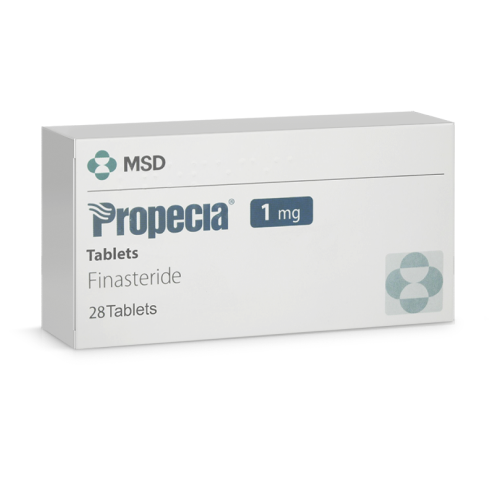
Can Propecia Be Obtained Without a Prescription in the United States?
No, Propecia (finasteride) requires a valid prescription from a licensed healthcare provider in the United States. It cannot be legally obtained over the counter, either in physical pharmacies or through legitimate online services. Attempting to acquire Propecia without a prescription is unsafe and may be illegal.
Key Takeaways: What You Need to Know About Propecia in the United States
- Propecia is approved for men with male pattern hair loss (androgenetic alopecia); it is not suitable for women or children.
- Visible effects may take at least 3–6 months of continuous daily use.
- A prescription from a qualified healthcare provider is required in the US; self-medication is not safe.
- The most important safety concern is the risk of sexual side effects and possible mood changes.
- If you develop persistent side effects or plan for pregnancy (yourself or your partner), discuss with your doctor without delay.
How Does Propecia (Finasteride) Work? Understanding Its Mechanism of Action
Propecia contains the active ingredient finasteride, a highly selective inhibitor of the enzyme type II 5-alpha-reductase. This enzyme is responsible for converting testosterone to dihydrotestosterone (DHT), a hormone that contributes to shrinking hair follicles in genetically susceptible men. By blocking this conversion, Propecia reduces scalp DHT levels, slowing hair follicle miniaturization and promoting hair retention and regrowth where follicles remain viable.
At the cellular level, DHT binds to androgen receptors in scalp hair follicles, triggering processes that lead to their gradual shrinking and thinning. By lowering DHT, Propecia interrupts this cycle—but it cannot revive follicles that have already become dormant or “scarred over.”
Metaphorically, think of DHT like excess water flooding a field: Propecia acts like a dam, slowing the flow. It can’t fix what has already drowned, but it can prevent further loss.
Real-World Expectations: Patients Often Overlook Gradual Progress and Maintenance
As a hair loss specialist, I’ve found that many patients expect rapid hair regrowth after starting Propecia, often overlooking that the process is gradual—even subtle. It’s common for patients to judge effectiveness by looking for new hair within a few weeks, when in reality, the initial effect is more likely to be a halt in further loss rather than dramatic regrowth. Few ask about how ongoing use is needed to maintain results or what happens if treatment is stopped. I wish more patients understood that Propecia is about managing a chronic process: the goal is to preserve as much hair as possible over time, not to restore full density quickly.
How to Take Propecia: Dosing Guidelines, Onset, and Duration
Standard dose: The typical dose for androgenetic alopecia in adult men is 1 mg finasteride (one tablet) taken by mouth once daily, with or without food.
- Peak effect: DHT reduction in the scalp occurs within days, but visible hair changes may not appear for 3–6 months of daily use.
- Duration of action: The effect is sustained with ongoing daily dosing; stopping the medication leads to reversal within 12 months.
- Maximum dose: Do not exceed 1 mg daily for hair loss; higher doses are reserved for other indications under physician guidance.
Tablet splitting: Propecia 1 mg tablets are not scored, and splitting is not recommended due to risk of incorrect dosing and dermal absorption.
Special populations:
- Elderly: No dose adjustment needed for age alone.
- Liver impairment: Use with caution and discuss with your doctor; finasteride is metabolized in the liver.
- Renal impairment: No adjustment typically required for mild to moderate kidney disease.
Does Food or Alcohol Affect Propecia? What About Grapefruit Juice?
Food: Propecia absorption is not significantly affected by food or meal composition, including fatty meals. You may take it with or without food.
Alcohol: There is no direct interaction between alcohol (in moderate amounts) and Propecia. However, alcohol abuse can contribute to hair loss and overall health risk.
Grapefruit juice: Finasteride is not metabolized by the CYP3A4 enzyme pathway, so grapefruit juice does not alter its effectiveness or safety.
Who Should Not Take Propecia? Detailed Contraindications and Cautions
- Absolute contraindications (never use):
-
- Women (especially if pregnant or planning pregnancy): Finasteride can cause birth defects in a male fetus.
- Children and adolescents: Safety and effectiveness have not been established.
- Known hypersensitivity: Allergy to finasteride or any tablet ingredients.
- Relative contraindications (use only with caution):
-
- Severe liver disease: The drug is extensively metabolized in the liver.
- Men with significant urinary symptoms: Conditions such as prostate cancer should be excluded prior to use.
- Mood disorders: Depression or anxiety may be exacerbated in rare cases; discuss any psychiatric history with your provider.
What Side Effects Are Most Common With Propecia?
Propecia is generally well-tolerated, but, like all medications, it may cause side effects. The following are classified according to frequency:
- Very common (>1 in 10): None identified.
- Common (1 in 100 to 1 in 10):
- Decreased libido
- Erectile dysfunction
- Decreased ejaculate volume
- Uncommon (1 in 1,000 to 1 in 100):
- Breast tenderness or enlargement (gynecomastia)
- Rash
- Mood changes, including depression
- Rare and very rare (<1 in 1,000):
- Testicular pain
- Male infertility (reversible upon discontinuation in most cases)
- Hypersensitivity reactions (swelling of lips, tongue, throat)
- Persistent sexual dysfunction (post-finasteride syndrome) – the existence and mechanism remain controversial and are under ongoing study (FDA)
If you develop breast lumps, nipple discharge, persistent depression, or signs of an allergic reaction, stop the medication and consult your doctor immediately.
Compatibility Check: Propecia With Other Medications
| Type of Product | Can it be Combined? | Consequences |
|---|---|---|
| Aspirin | Yes | No significant interaction |
| Minoxidil topical | Yes | Often used together for enhanced effect |
| Testosterone supplements | Caution | May reduce Propecia effectiveness |
| Saw Palmetto | Caution | Similar mechanism; additive side effect risk |
| Nitrates | Yes | No direct interaction (unlike some ED drugs) |
Common Patient Pitfalls With Propecia: What to Avoid for Best Results
- Stopping too soon: Patients often discontinue Propecia after a couple of months if they do not see new hair growth. In reality, halting hair loss is the first sign of benefit, and visible regrowth may not occur until after six months. Solution: Commit to at least 6–12 months of consistent use before judging effectiveness.
- Missing daily doses or using irregularly: Skipping tablets reduces efficacy. Solution: Set daily reminders and take Propecia at the same time every day.
- Doubling the dose after a missed dose: This does not accelerate results and may increase side effects. Solution: If a dose is missed, resume at the next scheduled time.
- Handling tablets with bare hands (especially by women of childbearing age): Finasteride can be absorbed through the skin and may harm a developing fetus. Solution: Only the intended user should handle the tablets.
- Failing to inform your doctor about changes in urinary or sexual symptoms: Some symptoms may indicate other underlying conditions. Solution: Promptly report any new or worsening symptoms.
- Stopping abruptly before consulting a physician: Side effects may be reversible upon stopping, but always discuss with your healthcare provider before discontinuation.
Propecia vs Alternatives: How Does It Compare for Hair Loss?
| Drug | Onset of Effect | Duration/Need for Ongoing Use | Key Side Effects | Average Monthly Price (USD, 2026) |
|---|---|---|---|---|
| Propecia (Finasteride 1 mg) | 3–6 months | Continuous use required | Sexual dysfunction, mood changes | $85–$120 |
| Generic Finasteride 1 mg | 3–6 months | Continuous use required | Similar to brand | $18–$55 |
| Minoxidil (topical solution) | 4–6 months | Continuous application needed | Irritation, unwanted facial hair | $24–$50 |
| Dutasteride (off-label) | 3–6 months | Continuous use required | Greater sexual side effect risk | $65–$130 |
Bottom line: Propecia is considered first-line for most men with androgenetic alopecia, but generics offer a cost-effective and equally effective alternative. Minoxidil is often used together with finasteride. Dutasteride is sometimes used off-label but carries a higher risk of side effects.
Technical Reference Table: Propecia (Finasteride 1 mg) Key Specifications
| Parameter | Value |
|---|---|
| Active ingredient | Finasteride 1 mg |
| Formulation | Film-coated tablets |
| Indication | Male pattern hair loss |
| Route of administration | Oral |
| Half-life (T1/2) | 4.8–7.1 hours (in men 18–60) |
| Storage | Store at room temperature, in original packaging |
| Manufacturer | Original: Merck & Co., Inc.; Generics: Various |
How Is Propecia Metabolized in the Body? Pharmacokinetics Simplified
After oral administration, finasteride is absorbed and reaches peak plasma concentrations in about 1–2 hours. It is primarily metabolized in the liver via the CYP3A4 enzyme system and is excreted mainly in the urine (as metabolites) and feces. The half-life in young adults is approximately 5–6 hours, and longer (up to 8 hours) in older men. It does not accumulate significantly with daily dosing.
Practical tip: People with severe liver disease should discuss risks and benefits with their physician before starting Propecia.
Which Patient Groups Need Extra Precaution With Propecia?
- Liver disease: Finasteride is processed in the liver, so those with impairment should use it only under close supervision.
- Men planning to father a child: Propecia may reduce semen DHT concentration, but evidence does not show a significant impact on male fertility after stopping the drug. Discuss with your doctor before conception attempts.
- Men with mood disorders: There are rare reports of mood changes; those with prior depression or anxiety should be monitored.
- Use in women and children: Not recommended or approved.
- Driving and machinery: Propecia does not impair alertness, reaction time, or ability to drive.
How to Get Propecia Legally in the United States: Practical Step-by-Step Guide
- Schedule a consultation with a licensed healthcare provider (primary care, dermatologist, or hair loss specialist) in your state or via a reputable telemedicine service.
- Medical assessment: Your doctor will evaluate your pattern of hair loss, exclude other causes, review your health history, and discuss risks and benefits.
- Prescription: If appropriate, your doctor will issue a prescription for Propecia or generic finasteride (typically 1 mg daily).
- Filling the prescription: Take your prescription to a state-licensed pharmacy (chain, independent, or legitimate mail-order service) for fulfillment.
- Start treatment: Follow administration instructions and attend regular follow-up visits.
Note: Some telemedicine services specializing in men’s health may streamline the prescription process via online assessment, but still require a licensed provider’s approval.
How to Recognize a Legitimate Online Pharmacy in the United States
To ensure safety and legality, always use online pharmacies certified by the National Association of Boards of Pharmacy (NABP) or those bearing the .pharmacy domain. Key markers of a legitimate US pharmacy include:
- Requirement of a valid prescription from a healthcare provider
- Physical location and contact information in the United States
- State pharmacy license number available and verifiable
- Secure checkout and protected patient information
- No offering of “prescription-free” Propecia or alternatives
Warning signs of unsafe sellers: Prices that are much lower than average, no prescription required, foreign or vague contact details, or lack of state licensing. Unregulated sites may sell counterfeit or substandard products, with real risks to safety and health.
How to Distinguish Original Propecia From Counterfeit or Grey Market Products
- Packaging: Genuine Propecia comes in blister packs, with the “Propecia” name, dosage, manufacturer (Merck & Co., Inc.), lot number, and expiration date clearly printed. The font is sharp, consistent, and without typographical errors.
- Tablet appearance: Original 1 mg tablets are tan, octagonal, film-coated, and embossed with “P” on one side and “PROPECIA” on the other. Generics may look different, but all should have clear, professional markings.
- Verification elements: US packaging may include QR codes or holograms for batch verification. State-licensed pharmacies never dispense loose or unlabeled tablets.
- Too-good-to-be-true price: Unusually low prices often indicate counterfeit or unauthorized products.
- Generics: FDA-approved generic finasteride is therapeutically equivalent to Propecia, typically at a lower cost. Generics may have different inactive ingredients (excipients), so check for potential allergies.
Practical advice: When in doubt, ask your pharmacist for the package insert and check lot numbers on the FDA or manufacturer website.
Myth vs Reality: What Patients Need to Know
- Myth: Propecia works instantly for everyone.
Reality: Several months of use are needed for visible improvement; results vary. - Myth: Generic finasteride is less effective than Propecia.
Reality: FDA-approved generics are equally effective and safe, provided they are sourced from legitimate pharmacies. - Myth: Propecia cures baldness permanently.
Reality: Continuous use is required to maintain results; stopping leads to resumed hair loss.
What Should I Do If I Overdose on Propecia?
- Stop taking the medication immediately.
- Call Poison Control (1-800-222-1222) or seek emergency medical help in the United States.
- Provide details: Inform healthcare professionals about the dose taken, timing, and any symptoms experienced.
- Do not attempt to induce vomiting unless instructed by medical personnel.
No specific antidote exists. Supportive management is provided as needed.
Questions Patients Often Ask doctor About Propecia Therapy
- How will I know if Propecia is working for me?
- Most patients notice a reduction in shedding after 3–6 months, followed by possible regrowth or thickening. Progress is best assessed by comparing baseline and follow-up photos under similar lighting, rather than relying on day-to-day appearance.
- Is it safe to use minoxidil and Propecia together?
- Yes, using topical minoxidil and oral Propecia together is common and often more effective than either alone. There is no known harmful interaction and they target hair loss through different mechanisms.
- If I stop taking Propecia, will I lose all regrown hair?
- Yes. Hair gained or maintained with Propecia is usually lost within 6–12 months of stopping treatment. This is why ongoing use is necessary for continued benefit.
- Can I take Propecia if I’m planning to have children?
- Most evidence suggests no significant effect on male fertility, but due to limited data, I recommend discussing fertility plans before starting or continuing Propecia.
- Are psychological side effects permanent?
- Most mood-related side effects resolve after stopping the medication, but very rare cases of persistent symptoms have been reported. If you experience depression or anxiety, contact your doctor right away.
- What should I do if I accidentally took two doses in one day?
- Skip the next scheduled dose and then resume your regular schedule. There is no need for panic with a single extra dose, but avoid making this a habit.
- How often will I need to see my doctor while using Propecia?
- Typically, I arrange a follow-up at 3–6 months to assess response and side effects, then annually if all is well. More frequent visits may be needed if side effects develop.
Quality Check: How Should Genuine Propecia Look in the United States?
- Tablet: Propecia 1 mg tablets are tan, film-coated, octagonal, embossed with “P” on one side and “PROPECIA” on the other; smooth surface, no powdering.
- Packaging: Blister packs in a box marked “Propecia,” with the manufacturer (Merck), lot number, and expiration date. US packs may have anti-counterfeit QR codes or holograms.
- Package Insert: Should include detailed dosing, warnings, and FDA approval text.
- Pharmacy Label: US pharmacies must provide a prescription label with patient and pharmacy names, date, and instructions.
- If in doubt: Compare the packaging and tablets to official images on the manufacturer’s website or consult your pharmacist.
Practical Advice: What If Propecia Does Not Work?
- Ensure consistent daily use for at least 6–12 months; lack of visible regrowth does not always mean the treatment is ineffective, as stabilization of loss is a benefit.
- If no improvement or worsening occurs after a year, consult your doctor to rule out other causes or discuss alternative therapies, such as minoxidil, low-level light therapy, or hair transplantation.
- Never increase the dose without medical advice.
Psychological Support: You’re Not Alone in This
Male pattern hair loss is a common, manageable condition affecting millions of men in the United States. If you are feeling distressed, you aren’t alone—consider discussing your concerns with a healthcare professional or supportive partner. Emotional support is just as important as medical treatment.
doctor’s Practical Treatment Assessment: Who Truly Benefits From Propecia?
In my clinical experience, Propecia is most beneficial for men in the early to moderate stages of male pattern hair loss—those who still have some active follicles and are committed to long-term daily treatment. Patients with advanced baldness or longstanding scalp “shining” typically see little benefit, as the medication cannot revive dormant or scarred follicles. I’m cautious in prescribing Propecia to men with a history of mood disorders, and I always counsel patients about the possibility of sexual side effects and the importance of early reporting. For patients seeking rapid or dramatic regrowth, or unwilling to commit to indefinite usage, alternative approaches such as topical minoxidil, hair transplants, or supportive cosmetic measures may be more appropriate. Treatment should be periodically reassessed to ensure benefit outweighs risk, especially if life circumstances change (such as planning fatherhood or developing new symptoms).
FAQ: Quick Answers to Common Questions About Propecia in the United States
- Is Propecia effective for all types of hair loss?
- No, Propecia is approved only for male pattern hair loss (androgenetic alopecia) in men. It does not work for hair loss caused by scarring, illness, medications, or other non-androgenetic causes.
- Can women use Propecia for hair loss?
- Propecia is not approved for women and can cause serious harm if taken during pregnancy. Some physicians may consider finasteride for postmenopausal women off-label, but this is not standard practice in the United States.
- How long does it take to see results from Propecia?
- Most users see reduced shedding after 3 months, with visible hair regrowth or thickening generally appearing after 6–12 months of continuous daily use. Ongoing use is required to maintain results.
- Do I need a prescription for Propecia in the United States?
- Yes, a valid prescription from a licensed healthcare provider is required by law for both brand-name Propecia and generic finasteride.
- What is the typical monthly cost of Propecia or generic finasteride?
- Brand-name Propecia averages $85–$120 per month. FDA-approved generics cost $18–$55 per month, depending on pharmacy and insurance coverage.
- Can I order Propecia online?
- Yes, but only through certified US online pharmacies that require a prescription. Never purchase from sites offering “no prescription needed” options.
- What happens if I stop taking Propecia?
- Hair loss will typically resume within 6–12 months, and any gains made during treatment will be lost.
- Are there long-term risks with Propecia?
- Long-term safety studies show most side effects occur early in treatment. Persistent side effects are rare but should be reported immediately.
- Can Propecia be used with other hair loss treatments?
- Yes, Propecia is often used with minoxidil for greater effectiveness. There are no known harmful interactions.
- What should I do if I develop side effects?
- Stop the medication and consult your doctor. Most side effects resolve after discontinuation, but prompt evaluation is important.
References
- U.S. Food and Drug Administration (FDA), Propecia (finasteride) approval and safety information. Accessed June 2026. https://www.fda.gov
- National Institutes of Health, PubMed. Clinical studies on finasteride for male pattern hair loss. Accessed June 2026. https://pubmed.ncbi.nlm.nih.gov
- Mayo Clinic, Finasteride (Oral Route) Description and Brand Names. Accessed June 2026. https://www.mayoclinic.org/drugs-supplements/finasteride-oral-route/description/drg-20063844
- Merck & Co., Inc. Official Propecia Prescribing Information. Accessed June 2026. https://www.merck.com/product/usa/pi_circulars/p/propecia/propecia_pi.pdf
- American Academy of Dermatology Association, Hair Loss: Who Gets and Causes. Accessed June 2026. https://www.aad.org/public/diseases/hair-loss/types/male-pattern
- National Association of Boards of Pharmacy (NABP) Safe Pharmacy Program. Accessed June 2026. https://safe.pharmacy