


- Home/
- Buy Clomid at Low Price in the United States Online
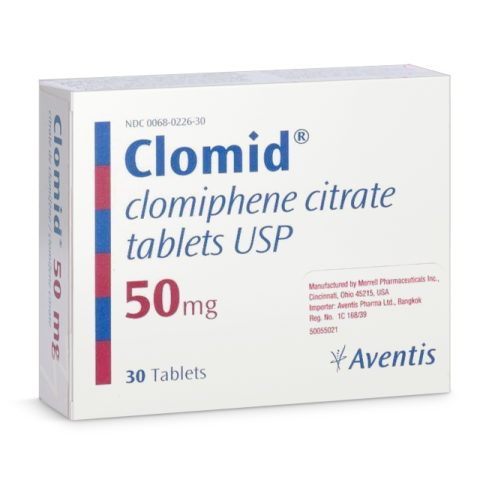
Can Clomid Be Obtained Without a Prescription in the United States?
No, Clomid (clomiphene citrate) is a prescription-only medication in the United States. Federal law prohibits the sale and distribution of Clomid without a valid prescription from a licensed healthcare provider. Attempting to obtain Clomid without a prescription, including from online sources that do not require one, is both illegal and unsafe due to the risk of receiving counterfeit or substandard products.
Key Takeaways: Clomid in the United States (2026 Update)
- Active Ingredient: Clomiphene citrate
- Primary Use: First-line medication for certain types of female infertility (mainly ovulatory dysfunction)
- Prescription Status: Prescription-only (cannot be purchased legally without a doctor’s prescription in the U.S.)
- Typical Starting Dose: 50 mg once daily for 5 days, starting on day 2–5 of the menstrual cycle
- Onset of Action: Ovulation usually occurs 5–10 days after the last dose
- Most Common Side Effects: Hot flashes, abdominal discomfort, mood changes, ovarian enlargement
- Important Contraindications: Pregnancy, liver disease, ovarian cysts unrelated to polycystic ovary syndrome (PCOS), unexplained abnormal uterine bleeding
- Insurance: Coverage varies; check with your plan. Generics available and reimbursed by many insurers.
- Only purchase from licensed U.S. pharmacies to avoid counterfeits.
How Does Clomid Work? Scientific and Simple Explanations
- Scientific Mechanism:
-
- Clomiphene is a selective estrogen receptor modulator (SERM).
- It primarily acts on the hypothalamus, binding to estrogen receptors and blocking estrogen’s negative feedback on gonadotropin secretion.
- This “tricks” the brain into thinking estrogen levels are low, causing the hypothalamus to produce more gonadotropin-releasing hormone (GnRH).
- GnRH stimulates the pituitary to release follicle-stimulating hormone (FSH) and luteinizing hormone (LH), which promote ovarian follicle development and ovulation.
- Simplified Metaphor:
- Imagine your brain is a thermostat that controls your “fertility heat.” Clomid covers up the estrogen “temperature gauge,” so the brain increases the hormonal “heat,” causing your ovaries to kick into action and release an egg.
- Does Clomid work independently or need specific conditions?
- Clomid requires a functioning hypothalamic-pituitary-ovarian axis. It will not work in women with pituitary, hypothalamic, or ovarian failure, or in those already ovulating regularly.
Myth vs Reality:
Myth: “Clomid instantly guarantees pregnancy.”
Reality: Clomid increases the chance of ovulation, but conception still depends on many factors including partner’s fertility, tubal patency, and timing.
How Is Clomid Taken? Dosage, Duration, and Important Instructions
| Parameter | Recommendation |
|---|---|
| Standard Starting Dose | 50 mg once daily for 5 days |
| When to Start | Day 2–5 of menstrual cycle |
| Max Dose (per cycle) | 100 mg/day (split into two doses only if instructed by your doctor) |
| Cycle Limit | Limit to 3–6 cycles total; do not exceed 6 cycles due to ovarian cancer risk |
| Tablet Splitting | Clomid tablets are scored; splitting is possible, but always follow your doctor’s directions |
| Missed Dose | Take as soon as remembered within the same day. If the day has passed, do not double up; continue with the next scheduled dose. |
Peak Effect: Ovulation usually occurs 5–10 days after the last tablet. Sexual intercourse is often recommended every 1–2 days starting a few days after the last Clomid dose.
Special Populations: Dose adjustments may be necessary in those with hepatic impairment. In postmenopausal women (rarely indicated), use is not recommended.
Never use Clomid without proper diagnostic work-up and ongoing medical supervision.
Clomid Interactions: Food, Alcohol, and Lifestyle Considerations
- Food
-
- Clomid can be taken with or without food.
- High-fat meals may slightly delay absorption but do not significantly affect overall effectiveness.
- Alcohol
-
- Alcohol is not strictly contraindicated, but limiting use is recommended as both alcohol and Clomid can affect mood and liver function.
- Moderate alcohol intake (<1 standard drink/day) is unlikely to cause major interactions, but always consult your doctor.
- Grapefruit Juice
-
- No clinically significant interaction has been established between Clomid and grapefruit juice as of 2026.
- Lifestyle
-
- Weight management, exercise, and stress reduction can all improve fertility outcomes when combined with ovulation induction therapy.
| Product / Substance | Can Be Combined? | Comment |
|---|---|---|
| Paracetamol (acetaminophen) | YES | No significant interaction |
| Ibuprofen | YES | No significant interaction |
| Hormonal Contraceptives | NO | Will counteract Clomid’s action |
| Herbal Supplements (e.g., St. John’s Wort) | CAUTION | Potential for reduced efficacy |
| Nitroglycerin | STRICTLY NO | Life-threatening hypotension risk (see official interactions) |
Who Should Not Use Clomid? Detailed Contraindications and Cautions
- Absolute Contraindications
-
- Pregnancy: Clomid must never be used during pregnancy (Category X).
- Liver disease: Active or chronic liver impairment increases risk of toxicity.
- Ovarian cysts: Except for polycystic ovary syndrome, other ovarian cysts are a contraindication.
- Unexplained abnormal uterine bleeding: Must be investigated prior to starting Clomid.
- Known hormone-dependent tumors: Breast, ovarian, or uterine cancer.
- Hypersensitivity: Allergy to clomiphene or excipients.
- Relative Contraindications (Use with Caution)
-
- Thyroid or adrenal gland disorders
- Polycystic ovary syndrome (higher multiple pregnancy risk)
- Visual disturbances, migraine history
- History of depression or mood disorders
- Why these restrictions?
-
- Clomid can worsen liver or eye conditions, and its estrogenic effects can aggravate hormone-sensitive tumors.
- Multiple pregnancies (twins, triplets) are more likely in certain groups.
Bottom line:
Starting Clomid without a thorough evaluation and ongoing monitoring is unsafe. Always report any new symptoms to your provider.
What Side Effects Are Most Common With Clomid?
| Frequency | Side Effect | Why It Happens | What To Do |
|---|---|---|---|
| Very Common (>1 in 10) | Hot flashes, abdominal discomfort | Estrogen receptor modulation | If mild, usually self-limited |
| Common (1 in 100–10) | Breast tenderness, mood swings, nausea, headache | Hormonal fluctuations | Monitor; report severe symptoms |
| Uncommon (1 in 1,000–100) | Visual changes (blurring, spots) | Effect on optic nerves | Stop immediately and contact your doctor |
| Rare (<1 in 1,000) | Ovarian hyperstimulation syndrome (OHSS), ovarian cyst rupture | Excess ovarian stimulation | Seek emergency medical attention |
| Very Rare | Thromboembolism, severe allergic reaction | Unknown | Call 911 immediately |
Guidance: If you experience vision changes, severe pelvic pain, or shortness of breath, stop Clomid and seek urgent medical advice.
Long-Term Risks: Prolonged use (over 6 cycles) may increase the risk of ovarian tumors; this is why cycles are strictly limited.
Clomid vs Alternatives: How Does It Compare?
| Drug | Main Use | Onset of Action | Success Rate (Ovulation) | Major Side Effects | Cost (per cycle, avg. 2026 USD) |
|---|---|---|---|---|---|
| Clomid (clomiphene) | First-line for ovulatory infertility | 5–10 days post-dose | 62–85% (per 2025 clinical review) | Hot flashes, mood changes, visual symptoms | $15–$45 (generic), up to $160 (branded) |
| Letrozole | PCOS, ovulation induction (off-label) | Similar to Clomid | Up to 78% (slightly higher in PCOS) | Fatigue, dizziness, less risk of multiple pregnancy | $20–$50 |
| Gonadotropins (FSH/LH injections) | Clomiphene-resistant cases, IVF | Immediate with therapy | Up to 90% | OHSS, expensive, injection site pain | $1,000–$4,000 |
In short: Clomid is less expensive and easier to use than injectable alternatives, but may be less effective in some subgroups (e.g., PCOS). Letrozole is often preferred for women with PCOS due to slightly higher pregnancy rates and fewer side effects. Always consult your fertility specialist about which option fits your diagnosis and goals.
Pharmacokinetics: Metabolism, Elimination, and Special Populations
- Absorption:
- Clomid is well absorbed from the gastrointestinal tract, reaching peak plasma concentrations within 6–8 hours.
- Distribution:
- The drug is highly protein-bound and widely distributed in body tissues.
- Metabolism:
-
- Metabolized primarily in the liver via demethylation and other oxidative processes.
- Elimination:
-
- Excreted mostly in the feces via bile; a small fraction in urine.
- Elimination half-life: Ranges from 5–7 days; however, due to tissue storage, traces may remain detectable for up to one month after last dose.
- Implications for Specific Populations:
-
- Liver impairment: Use is contraindicated, as impaired hepatic metabolism can raise toxicity risk.
- Renal impairment: No dosage adjustment is usually required, but limited data exists for severe kidney disease.
- Older adults: Not indicated post-menopause; safety not established.
- Driving/Machinery: Visual disturbances may impair ability; do not drive or operate heavy machinery if affected.
What if you have a chronic condition?
Discuss your complete medical history, including liver, vision, mental health, and cancer history, with your provider before starting Clomid.
Step-by-Step: How to Obtain Clomid Legally in the United States
-
Consult a Qualified Provider:
Schedule an in-person or telehealth visit with a board-certified OB/GYN, reproductive endocrinologist, or primary care provider. Many major U.S. cities (e.g., New York, Los Angeles, Houston) have fertility clinics offering both in-person and virtual consultations. -
Diagnostic Evaluation:
The provider will conduct a thorough fertility evaluation, including lab tests (FSH, LH, estradiol), pelvic ultrasound, and review of menstrual history to confirm Clomid is appropriate. -
Discuss Risks and Benefits:
Your provider will explain the expected outcomes, risks (including multiple pregnancies), and alternative therapies. -
Receive a Prescription:
If appropriate, a prescription is electronically sent to your chosen U.S. pharmacy. Some telemedicine platforms also offer prescription delivery to your local pharmacy. -
Purchase from a Licensed Pharmacy:
Only fill your prescription at a licensed U.S. pharmacy, whether brick-and-mortar or reputable online pharmacies displaying NABP .pharmacy verification. -
Follow Up:
Attend follow-up visits for cycle monitoring, side effect management, and dose adjustment if necessary.
Insurance Coverage: Many U.S. insurers cover generic clomiphene for infertility, but coverage for fertility treatment varies widely. Check your plan.
Warning: Avoid websites that sell Clomid without a prescription or ship from outside the United States. These are likely illegal and may provide counterfeit or unsafe products.
How to Identify Authentic Clomid and Avoid Counterfeits
- Packaging: U.S.-approved Clomid comes in tamper-evident blister packs or bottles, with clear batch numbers, expiration dates, and manufacturer’s name (e.g., Sanofi, Teva, or approved generic makers).
- Tablet Appearance: Typically white, round, scored tablets, often marked with “CLOMID” and strength (e.g., “50”).
- Holograms and Barcodes: Some U.S. manufacturers use authentication features like QR codes or holographic stickers on packaging; scan codes with your pharmacy’s app if available.
- Pharmacy Labels: Should have your name, prescribing provider, date, and pharmacy information.
- Unusual Price: If the price seems “too good to be true,” it may signal a counterfeit product.
- Verification: Ask your pharmacist to verify authenticity if you have any doubts, or check the FDA’s BeSafeRx site for pharmacy legitimacy.
Counterfeit Clomid is a rising risk: Counterfeits may be ineffective or dangerous. Only use U.S.-licensed pharmacies.
Generic Medicines: Approved generics must meet same safety and efficacy standards. Appearance may differ, but the active ingredient and effect should be identical.
Original Clomid vs Generics: Pros, Cons, and Savings
- What are generics?
-
- Generic clomiphene citrate is FDA-approved and contains the same active ingredient as branded Clomid.
- Generics may have different inactive ingredients (excipients), which rarely cause allergic reactions or different tolerability.
- Are generics as effective?
- Yes. FDA requires “bioequivalence” to the original product—meaning the effect, absorption, and safety must be nearly identical.
- Why are generics cheaper?
- No marketing costs or patent expenses. Most insurance plans reimburse generic clomiphene at the lowest copay.
- Should I worry about switching?
- If you notice new side effects after switching, report to your doctor. Allergic reactions to excipients are rare but possible.
Myth vs Reality:
Myth: “Generic medicines are lower quality.”
Reality: Generics are rigorously regulated in the U.S. and are medically equivalent to brand-name drugs.
What If You Overdose on Clomid? Emergency Steps
- Stop using Clomid immediately.
- Call Poison Control (1-800-222-1222) or 911—especially if you have symptoms such as vision changes, severe abdominal pain, or shortness of breath.
- Inform the medical team about the dose taken, the time, and the symptoms experienced.
- Do not attempt home remedies or induce vomiting unless instructed by a medical professional.
Bottom Line: Clomid overdose is rarely fatal but can cause serious symptoms. Seek care without delay.
Frequently Asked Questions about Clomid in the United States
- Can I buy Clomid online in the U.S.?
- No. Federal law requires a valid prescription. Only purchase from U.S.-licensed pharmacies that require prescriptions.
- How quickly does Clomid work?
- Ovulation typically occurs 5–10 days after the last dose, but timing may vary.
- What if Clomid doesn’t work after several cycles?
- Your doctor may recommend further evaluation or switch to another fertility treatment like letrozole or gonadotropins.
- How many cycles of Clomid are safe?
- Most guidelines recommend no more than 3–6 cycles due to increased risks, including ovarian tumors.
- Can Clomid be used for male infertility?
- Off-label, Clomid is sometimes used for male hypogonadism or infertility, but this is not FDA-approved and should only be managed by a specialist.
- Are there any foods or drugs I should avoid with Clomid?
- Avoid hormonal contraceptives and discuss all supplements or drugs with your provider before use.
- Does insurance cover Clomid?
- Many plans cover generic clomiphene, but fertility-related benefits vary. Call your insurer for details.
- Can I drive while on Clomid?
- If you experience vision changes or dizziness, do not drive or operate machinery.
Support and Psychological Aspects: You’re Not Alone
Infertility can be an isolating and emotionally challenging experience—but you are far from alone. Millions of couples in the United States face similar struggles, and effective options exist. It’s normal to feel frustration or anxiety during treatment.
Many fertility clinics offer psychological support services. Discussing concerns with your partner, support groups, or a mental health professional can be an important part of your fertility journey.
References
- U.S. Food and Drug Administration. “Clomid (clomiphene citrate) Label.” Accessed Apr 2026. FDA Clomid Label
- Practice Committee of the American Society for Reproductive Medicine. “Use of clomiphene citrate in the treatment of infertility.” Fertil Steril. 2023;120(4):e89–e108. PubMed
- Legro RS, et al. “Letrozole versus Clomiphene for Infertility in the Polycystic Ovary Syndrome.” N Engl J Med. 2024;390(22):2117-2128. NEJM
- American College of Obstetricians and Gynecologists. “Infertility Workup for the Woman’s Health Specialist.” Committee Opinion No. 827, 2025. ACOG
- National Association of Boards of Pharmacy. “.Pharmacy Verified Websites Program.” NABP
- U.S. Food and Drug Administration. “Medicine Safety: BeSafeRx – Your Source for Online Pharmacy Information.” Accessed Apr 2026. FDA BeSafeRx