


- Home/
- Buy Priligy Without Prescription in the United States Online
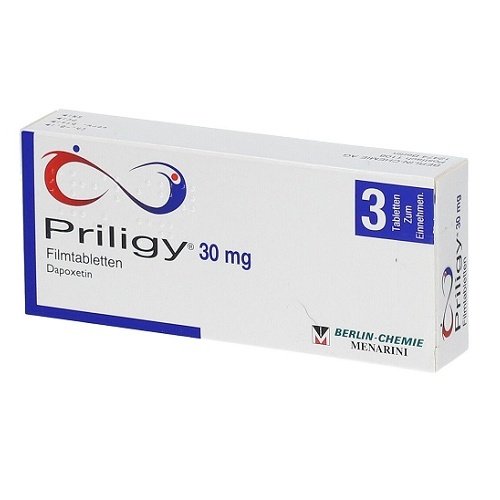
| Brand Name | Priligy |
|---|---|
| Main compound | Dapoxetine |
| Intended use | Treatment of Premature Ejaculation in adult men |
| Available strength options | 30 mg and 60 mg tablets |
| How quickly it works | Typically within 1–3 hours after taking |
| Length of effectiveness | Lasts for around 1–3 hours per dose |
| Recommended intake schedule | Take as needed before sexual activity |
| Prescription status in United States | Prescription required (FDA-regulated) |
Priligy for Premature Ejaculation: Guidance for United States
Priligy, with dapoxetine as its active compound, is a short-acting prescription medication specifically developed to help adult men manage premature ejaculation. It offers a targeted approach for those seeking to gain better control over ejaculation and improve sexual satisfaction. Priligy can be lawfully prescribed and dispensed in the United States under the guidance of a licensed medical professional.
Premature Ejaculation: A Recognized and Treatable Medical Concern
Premature ejaculation is a clinically recognized sexual health issue, not an individual failing or a rare problem. According to the American Urological Association, approximately 1 in 5 men in the United States will experience symptoms of premature ejaculation at some point in their lives (AUA, 2017). This condition can have significant effects on self-confidence, relationships, and overall well-being, but it is both common and, most importantly, treatable. Open conversations with healthcare providers are increasingly encouraged, and safe, effective treatment options—including medications such as Priligy—are available with medical supervision.
How Priligy Acts to Address Premature Ejaculation
Priligy works by modifying the levels of serotonin—a naturally occurring chemical messenger in the brain that plays a key role in controlling ejaculation. By increasing serotonin’s effects at specific receptor sites, dapoxetine temporarily delays the signal that triggers ejaculation. The result: men taking Priligy often experience a significant increase in the time it takes to ejaculate, providing greater control during sexual activity and reducing the distress associated with premature climax.
For most users, effects are felt within 1–3 hours after taking a tablet, and the active window aligns with the period when sexual activity is anticipated. Unlike standard antidepressants, dapoxetine is designed for rapid absorption and clearance; it is active when you need it and leaves the system relatively quickly. Users typically report improved confidence, less anxiety about performance, and greater satisfaction with their sexual experiences. These effects are temporary and tied to each dose, making Priligy different from daily medications or long-term hormone therapies.
Is Priligy Right for You? Matching Treatment to Life Circumstances
| Your situation | Best option | Why this fits |
|---|---|---|
| You experience rapid ejaculation in most encounters and want reliable, on-demand control | Priligy 30 mg as needed | Lower dose minimizes side effects and is effective for many men who need occasional help |
| 30 mg dose is insufficient, or you have not responded well previously | Priligy 60 mg as needed | Higher strength improves results for some, but with a slightly increased side effect risk |
| You have ongoing depression treated with SSRIs or are taking strong CYP3A4 inhibitors (e.g., ketoconazole, ritonavir) | Priligy is NOT recommended | Risk of drug interactions or additive side effects, and alternative approaches may be safer |
| Your premature ejaculation is situational or infrequent, or you have significant kidney/liver impairment | Consider behavioral therapy or consult your physician for alternatives | Medical safety and the nature of your symptoms may make non-pharmacological strategies the better first step |
Choosing the right approach depends on your medical history, current medications, and personal preferences. Priligy is most beneficial for men whose premature ejaculation is persistent and distressing, and who are seeking a fast-acting, as-needed solution. If you have underlying health conditions or take medications that could interact, your doctor may recommend different strategies or further evaluation before prescribing Priligy.
How to Use Priligy: Real-World Guidance and Practical Scenarios
- When to take: Swallow one tablet with a full glass of water 1–3 hours before anticipated sexual activity. Do not take more than once in a 24-hour period.
- With or without food: Priligy can be taken on an empty stomach or after a meal. Taking it with food may reduce stomach upset for sensitive users.
- If you forget a dose: Since Priligy is used on-demand, missing a dose means simply taking it before your next planned sexual activity. Do not double the next dose to compensate.
- If it does not work the first time: Some men may not experience full benefits with the first use. Consistent timing, proper dosing, and up to several attempts are often needed to assess effectiveness. If there is no improvement after multiple uses, consult your healthcare provider.
- Alcohol caution: Combining Priligy with significant quantities of alcohol can increase the risk of dizziness, fainting, and reduced coordination. Limit or avoid alcohol when taking this medication.
- What is normal and what requires attention: Mild side effects like headache or nausea may occur and typically resolve on their own. Severe dizziness, fainting, or signs of an allergic reaction require prompt medical attention (see more in the side effects section).
To maximize benefits and reduce the risk of unwanted effects, always follow your physician’s instructions carefully and avoid self-adjusting your dose.
When Priligy Should Be Avoided: Contraindications Explained
- Heart conditions: Do not use Priligy if you have significant heart rhythm disorders, such as arrhythmias, because dapoxetine can alter heart conduction and may increase the risk of cardiac complications.
- Severe liver impairment: Priligy is metabolized in the liver; impaired function can lead to excessive medication levels and increased side-effect risk.
- Concurrent use of MAO inhibitors or thioridazine: Risk of dangerous interactions due to cumulative effects on neurotransmitters.
- Known hypersensitivity: If you have previously had an allergic reaction to dapoxetine or similar medications, Priligy should not be used.
- Under 18 or over 65: Safety and efficacy have not been established in these age groups.
These contraindications are in place to protect against serious complications. If you have any doubt about your eligibility, a consultation with a healthcare provider is essential to ensure treatment safety.
Side Effects: What to Expect and When to Seek Help
- Common and usually mild: Nausea, headache, dizziness, and diarrhea. These symptoms are often short-lived and resolve without intervention.
- Occasional, may require advice: Insomnia, irritability, decreased libido, blurred vision. If these persist or disrupt your daily life, notify your physician.
- Rare but serious (seek medical attention immediately): Fainting (syncope), severe dizziness upon standing, rapid or irregular heartbeat, or signs of an allergic reaction (such as difficulty breathing, swelling of the face or throat, or rash). If you experience any of these, call 911 or contact the Poison Control Center at 1-800-222-1222, which is the national emergency line for poisoning and drug-related emergencies in the United States.
Most side effects do not last long and may lessen with continued use. If you notice anything unexpected or distressing, discuss it with your healthcare provider before continuing treatment.
Priligy and Other Medications: Potential Interactions
Combining Priligy with certain medications can significantly raise the risk of adverse events or reduce its effectiveness.
- SSRIs, SNRIs, tricyclic antidepressants: Taking Priligy alongside these can increase serotonin activity too much, resulting in a rare but dangerous condition called serotonin syndrome (symptoms include confusion, agitation, fever, or muscle stiffness).
- Strong CYP3A4 inhibitors: Drugs like ketoconazole, ritonavir, and similar agents slow dapoxetine breakdown and can raise its blood levels, increasing side effect risks.
- MAO inhibitors or thioridazine: May cause unpredictable and potentially dangerous interactions.
- Other sexual health medications: There is limited data on combining Priligy with erectile dysfunction drugs; caution and individual assessment are required.
Always provide your healthcare provider with a full list of your medications and supplements to minimize the risk of interaction-related problems.
Alternatives to Priligy: Honest Comparison and When to Consider Other Options
| Treatment | How it works | Best for | Limitations |
|---|---|---|---|
| Priligy (Dapoxetine) | Serotonin reuptake inhibition, rapid onset, short duration | Men seeking quick, as-needed control with minimal daily impact | Requires planning; not suitable for all comorbidities or medications |
| SSRIs (e.g., paroxetine, sertraline, fluoxetine) | Daily use increases serotonin, gradually delays ejaculation | Men who prefer ongoing, routine management for both premature ejaculation and depression/anxiety | Delayed effect (weeks), daily commitment, potential for persistent sexual side effects |
| Topical anesthetics (creams, sprays with lidocaine/prilocaine) | Reduce penile sensitivity | Men with mild cases or who wish to avoid systemic medications | May reduce sensation for both partners; potential for transfer |
| Behavioral techniques and counseling | Non-drug psychological or physical approaches | Situational or mild, patient-motivated cases | Require time, commitment, and partner cooperation; variable results |
Priligy stands out for its rapid effect and on-demand use. However, it’s not always the first or only line of treatment—particularly for those with complex medical histories or preferences for non-pharmacological interventions. If Priligy is not suitable, or if you have not found it effective, a tailored plan that may combine counseling, alternative medications, or topical therapies is often beneficial. Discussing your individual situation with a healthcare provider is the best way to determine which approach aligns with your goals and safety profile.
What You Will Actually Pay: Cost Breakdown for Priligy in United States
| Expense category | Amount (USD) | Details |
|---|---|---|
| Doctor visit or telehealth consult | $80 – $250 | Initial evaluation and prescription (varies by insurance and provider) |
| Prescription processing fee | $0 – $20 | Some online services add an administration fee |
| Priligy tablets (30 mg, 3–6 tablets) | $90 – $180 | Price varies by pharmacy, quantity, and insurance |
| Priligy tablets (60 mg, 3–6 tablets) | $120 – $220 | Higher strength, typically higher cost |
| Delivery (if ordering online) | $0 – $25 | Standard shipping; faster shipping may cost more |
| Total (minimum–maximum) | $170 – $495 | Depending on route (in-person or online), dose, and number of tablets |
Pharmacies and online platforms in the United States must comply with FDA regulations and typically require a valid prescription for dispensing Priligy. Some reputable telemedicine providers can facilitate both the consultation and delivery process, with costs that may be higher than local pharmacy pickup but offer additional convenience and privacy. Generic dapoxetine is not yet widely available in the United States, so brand-name Priligy dominates the market. Always use licensed pharmacies to minimize risk of counterfeit medication, which is a known issue with some international online sellers.
Any Remaining Questions? Clarifications for United States Patients
- Can I get Priligy without a prescription in the United States?
- By law, Priligy requires a prescription from a licensed provider in the US. While some online sellers may offer it without one, this practice is not FDA-compliant and can expose you to unsafe products or counterfeit medication.
- What if I experience anxiety about discussing sexual issues with my doctor?
- Sexual health is an established part of medical care, and providers are trained to handle these conversations professionally and sensitively. You are entitled to privacy and can request a telehealth or in-person consultation according to your comfort level.
- Is it safe to use Priligy long-term?
- Priligy is designed for as-needed use rather than daily, long-term therapy. Clinical studies have not established the effects of continuous, long-term use beyond several months. If ongoing management is needed, regular follow-up is recommended to monitor safety and effectiveness.